
Loading...
Serving Rock Island, IL and surrounding areas. (309) 791-9490
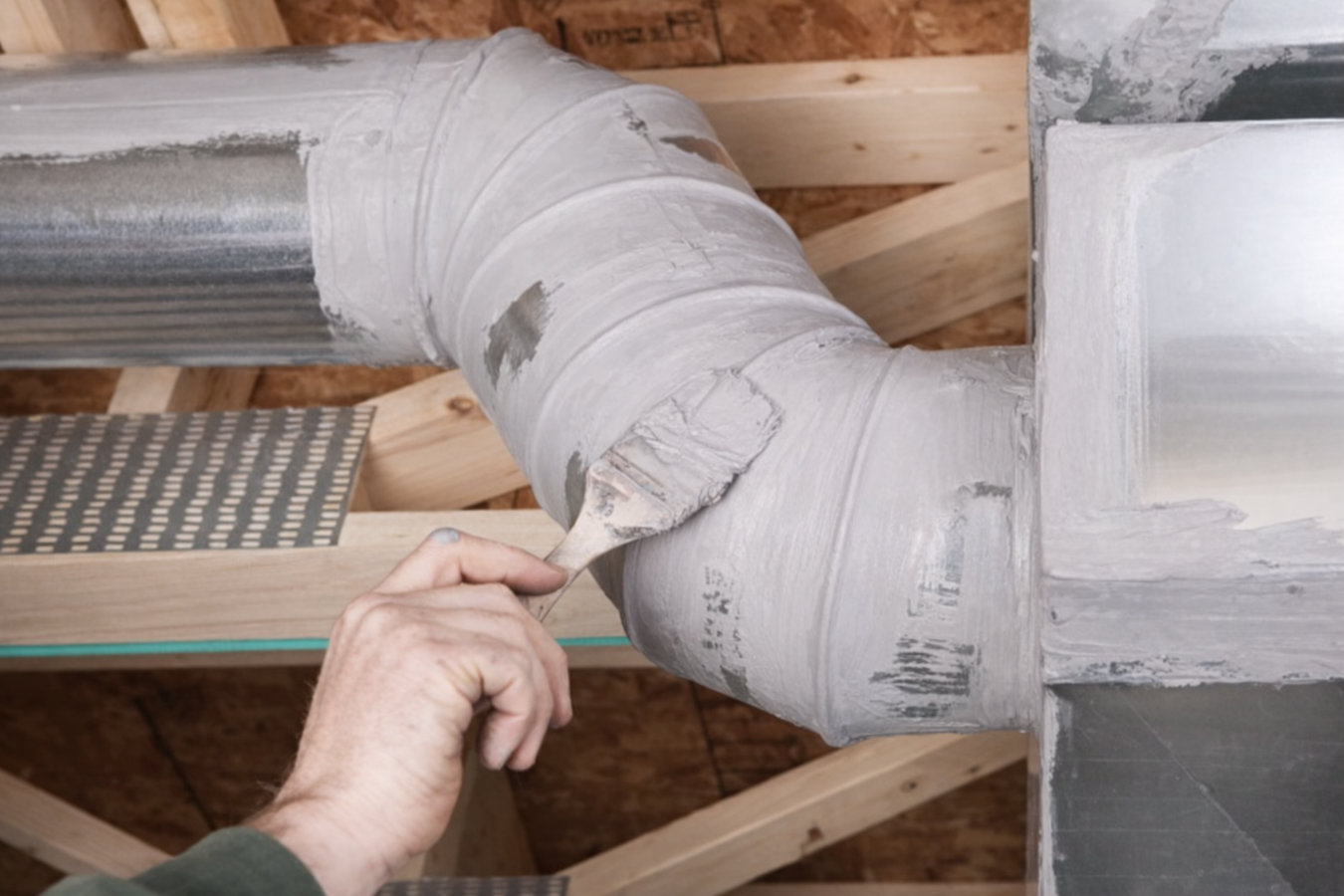
Your insulation cannot do its job if air is moving freely through gaps in your walls, attic, and basement. We find those gaps, seal them, and show you the results with before-and-after testing.
Air sealing in Rock Island means finding and closing the small gaps, cracks, and openings where outside air sneaks in and conditioned air leaks out. Most jobs covering attic, basement, and wall penetrations are completed in one day, with no major renovation needed.
Insulation slows heat from passing through materials - but it does not stop air from moving through gaps. In an older Rock Island home, those gaps are everywhere: around old plumbing chases, electrical penetrations, the top of interior walls, and the rim joist where the house meets the foundation. Air sealing addresses these spots directly, which is why it is so often the missing piece after insulation is already in place.
We also recommend pairing air sealing with basement insulation for the biggest combined impact, since the basement rim joist is one of the highest- return spots to address in Rock Island's older housing stock.
If your gas or electric bill climbs dramatically during Rock Island's coldest months, conditioned air is likely escaping faster than your system can replace it. This is one of the most common complaints from homeowners in older Rock Island neighborhoods where original weatherproofing has never been updated.
Hold your hand near an electrical outlet on an exterior wall on a cold day. If you feel cool air, that outlet is connected to the outside through gaps in the wall cavity. The same test works near baseboards, around the attic access hatch, and along the bottom of exterior doors.
If one room is always colder in winter or stuffier in summer even with the thermostat set the same as the rest of the house, that room likely has more air leaks than others. This is especially common in rooms above garages, in older additions, or at the corners of the house.
Because Rock Island sits along the Mississippi River, homes here are more prone to humidity-related problems than homes in drier parts of Illinois. Moisture on attic rafters, mustiness in the basement, or frost on the underside of your roof deck in winter are signs that warm moist air is finding its way in through gaps in the building envelope.
We start every air sealing job with a blower door test - a temporary fan mounted in a doorway that pressurizes the house and reveals exactly where leaks are located. This takes the guesswork out of the job and ensures we seal the right spots, not just the easy-to-reach ones. The biggest leaks in most Rock Island homes are in the attic floor, around old plumbing chases and electrical penetrations, and along the basement rim joist. Those are the spots that make the most difference. We also address attic air sealing as a standalone service for homeowners who have already insulated but still notice high bills or cold rooms.
After sealing, we run the blower door test again to show you how much the leakage was reduced - in measurable numbers, not just a contractor's opinion. We also check that your home still has adequate ventilation before we leave, because sealing a home without confirming airflow is appropriate is not a complete job. Every project includes documentation you can use for Ameren Illinois rebate applications or federal tax credit claims. We also recommend pairing air sealing with basement insulation for the most complete energy upgrade available to Rock Island homeowners.
Before-and-after testing that shows exactly how much air leakage was reduced - so you have real numbers, not guesswork.
The highest-impact area in most older homes - closes gaps around plumbing, electrical, and wall top plates in the attic floor.
Targets the cold air highway along the top of your foundation - one of the most effective spots in a Rock Island basement.
Closes gaps around pipes, wires, and ducts where they pass through walls and ceilings throughout the home.
Rock Island winters regularly push temperatures into single digits, with wind chills well below zero. That kind of cold puts enormous pressure on any gap or crack in your home's shell - cold air forces its way in and warm air rushes out faster than in milder climates. Rock Island also has a large share of homes built before 1960, many of them in neighborhoods near the riverfront with old plumbing, original wood framing that has shifted over decades, and heating systems that have been working overtime for years. The U.S. Department of Energy has documented how air sealing delivers measurable reductions in heating and cooling costs for homes exactly like these. Ameren Illinois, which serves most of Rock Island, also offers rebates for qualifying air sealing work, making the real cost lower than the sticker price.
The city's position along the Mississippi River adds a layer of complexity that many inland communities do not face. Higher spring and summer humidity means warm, moist air can find its way into attics and basements through gaps in the building envelope, leading to condensation and slow moisture damage over time. Homeowners in Hampton and Carbon Cliff face the same conditions - and the same solution. Proper air sealing in Rock Island addresses energy loss and moisture risk at the same time.
Call or submit the contact form and we get back to you within 1 business day. We ask about your home's age, your main concerns - high bills, drafty rooms, moisture - and whether any previous insulation or weatherization work has been done.
A technician runs a blower door test that pressurizes the house and reveals exactly where leaks are located. This assessment takes one to two hours and is the foundation of an effective air sealing job - without it, a contractor is guessing.
After the assessment you receive a written estimate explaining what was found, what will be sealed, and what it will cost. We also note whether Ameren Illinois rebates or federal tax credits apply to your project. No pressure - review it and ask questions first.
The crew seals the attic floor, rim joist, and all penetrations identified in the assessment - usually in a single day. We run the blower door test again afterward and give you before-and-after numbers plus the documentation needed for any rebate claims.
Free estimate with no pressure. We test your home before and after the work so you can see exactly what changed - and keep every dollar of rebate you are owed.
(309) 791-9490Running a blower door test before the work starts tells us exactly where to seal. Running it again afterward shows you in measurable numbers how much the leakage was reduced. Most contractors only do the second test, or skip testing entirely.
Homes built in Rock Island before 1960 have specific leak patterns - old plumbing chases, knob-and-tube wiring chases, and shifting wood framing that creates gaps over decades. We work in these homes regularly and know where to look first.
Ameren Illinois offers rebates for qualifying air sealing work, but getting them requires specific documentation. We know what Ameren's program requires and make sure you have everything you need to claim the rebate - so the real cost of the job is lower than the estimate.
Sealing a home without confirming ventilation is adequate creates new problems. The Building Performance Institute standards we follow require a ventilation check as part of every air sealing job - so you get a tighter home and healthy indoor air quality.
Air sealing is one of those jobs where the difference between a thorough contractor and a rushed one is invisible after the fact. We do not want you to take our word for it - the before-and-after blower door numbers tell the story. The Building Performance Institute provides national standards for this work, and following them is how we make sure every job in Rock Island is done right.
Insulate your basement walls and rim joist alongside air sealing for the biggest reduction in heat loss from below.
Learn MoreThe attic floor is where most air leaks live in older homes - targeted attic air sealing delivers fast, measurable results.
Learn MoreFall appointments fill fast in Rock Island. The sooner you schedule, the sooner your home stops working against you every winter - and the sooner your bills start dropping.