
Loading...
Serving Rock Island, IL and surrounding areas. (309) 791-9490
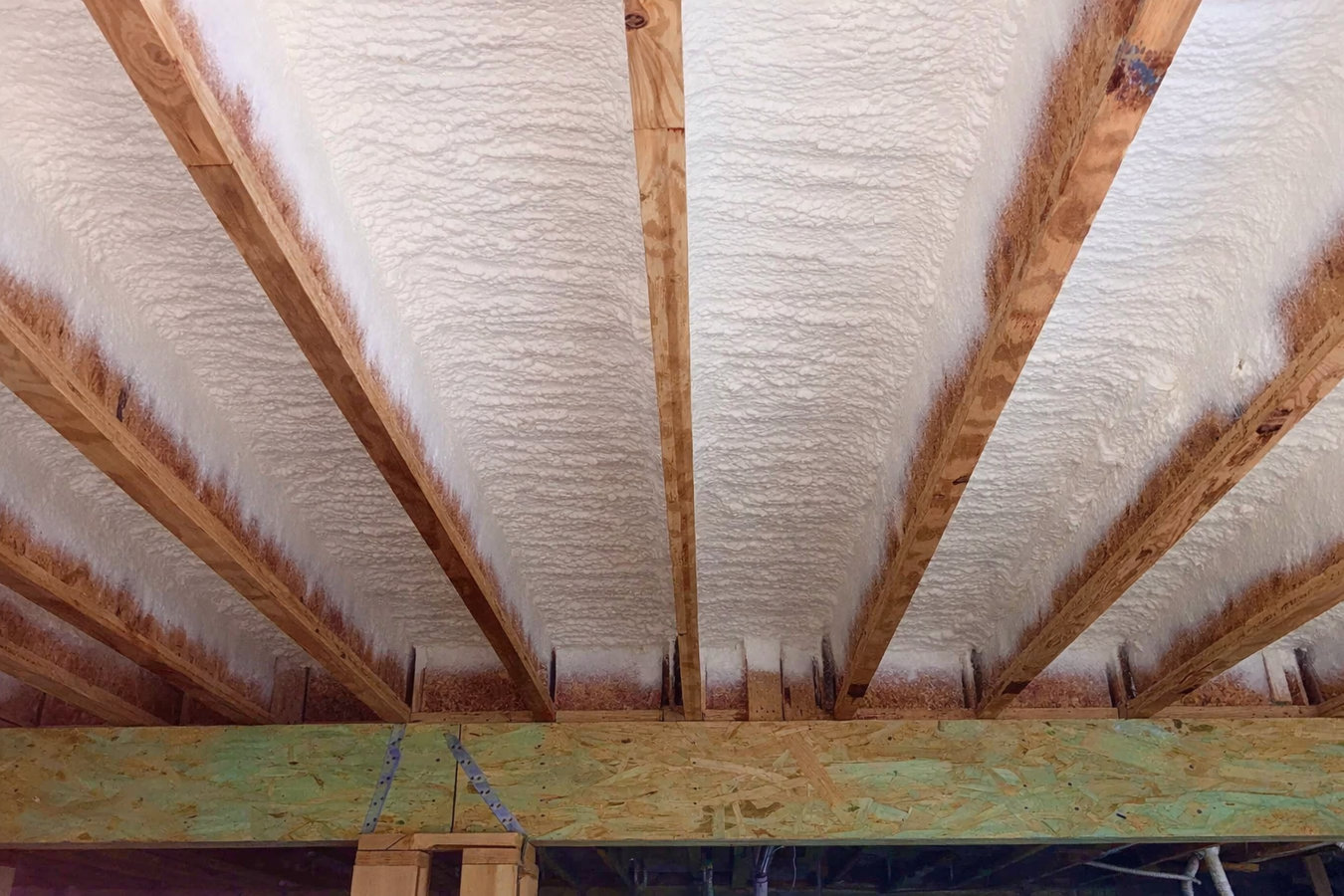
Cold floors and rising heating costs often start below the house. We insulate crawl spaces properly, control moisture, and protect pipes from freezing through Rock Island winters.
Crawl space insulation in Rock Island acts as a thermal barrier between the cold ground and your living floors. Without it, cold air and moisture from below push straight up through your floorboards, making rooms uncomfortable and forcing your heating system to work harder. Most crawl space projects are completed in one day, and the difference in floor temperature is often noticeable within the first cold stretch after installation.
In a city where a large share of homes were built before 1960, it is common to find crawl spaces with little or no insulation, deteriorated vapor barriers, and foundation vents that no longer seal properly. If your home has never had crawl space work done, the heat loss and moisture risk reflect that. Many homeowners who call us about cold floors find that the issue traces directly to an uninsulated or under-insulated crawl space. If the crawl space also has damaged material that needs to come out first, we can handle the insulation removal and new installation together. We also pair this work with a crawl space vapor barrier when moisture is a concern.
The U.S. Department of Energy recommends insulating crawl spaces in Illinois to a level that provides meaningful resistance to heat flow - and for homes in this climate, that recommendation applies year-round, not just in winter. See DOE guidance at energy.gov.
If you step onto your kitchen or living room floor on a January morning in Rock Island and it feels noticeably cold, that is a strong sign cold air is rising from below. In winters where temperatures stay below freezing for weeks, an uninsulated crawl space lets that cold push straight up through your floorboards. This is the most common complaint homeowners mention before discovering the crawl space has no insulation.
If your gas bill has crept up over the past few winters and you have not changed your thermostat habits, heat loss through the floor could be the culprit. Rock Island's older housing stock often has gaps and missing insulation that add up quickly at today's utility rates. A crawl space inspection is often the first place contractors look when a home is losing heat it should not be.
A damp crawl space produces a distinctive odor that travels up through floor gaps and HVAC vents. In Rock Island, spring snowmelt and heavy rains can push moisture into crawl spaces - especially in homes near lower-elevation areas or with older foundation drainage. If your home smells like a basement even when the basement is dry, the crawl space is worth checking.
If you have had a pipe freeze or burst in a cold snap, or if a plumber has warned you that crawl space pipes are at risk, that is a direct sign the space is too cold. Rock Island regularly sees multi-day stretches of single-digit temperatures, and an uninsulated crawl space offers almost no protection for water lines running through it.
We offer two main approaches depending on your home's setup. The first is floor joist insulation, where we fit insulating material snugly between the wooden beams above the crawl space. This is the most straightforward method and is well-suited to vented crawl spaces in good condition. Every gap around pipes and beams is filled so cold air cannot slip through. We also pair this work with a crawl space vapor barrier when ground moisture is a concern, which is common in lower-elevation Rock Island neighborhoods.
The second approach is full crawl space encapsulation, where the walls and floor of the space itself are sealed and insulated rather than just the joists above. Encapsulation turns the crawl space into a dry, protected zone and is often the better long-term choice for homes with persistent moisture or older foundation vents that no longer seal properly. If the crawl space has old or damaged material that needs to come out first, we can combine that with our insulation removal service so the new material goes in on a genuinely clean, dry surface.
Best for vented crawl spaces in reasonable condition where the main goal is stopping heat loss through the floor.
Suited for homes with moisture concerns, older foundation vents, or persistent dampness near the Mississippi River floodplain.
Paired with insulation to block ground moisture from rising - especially important for Rock Island homes in lower-elevation neighborhoods.
For crawl spaces with damaged, sagging, or contaminated old insulation that needs to come out before new material goes in.
Rock Island's proximity to the Mississippi River creates a moisture environment that inland Illinois communities simply do not deal with to the same degree. Higher groundwater levels, spring snowmelt, and seasonal humidity mean crawl spaces here are under constant pressure from below. Many homes in lower-elevation neighborhoods near the river have crawl spaces that have never had professional moisture control or proper insulation - and those homes feel it every winter. Homeowners in Moline and Davenport face the same river-corridor conditions and benefit from the same solutions.
Rock Island winters regularly bring multi-day stretches of single-digit temperatures and wind chills well below zero. An uninsulated crawl space in that climate does not just mean cold floors - it puts every water line running through the space at real risk. Many of Rock Island's mid-century homes still have original plumbing in the crawl space, and those pipes are the first to freeze during a cold snap. Insulating the crawl space is one of the most effective ways to protect both your floors and your pipes without major renovation work. The ENERGY STAR program highlights crawl space insulation as one of the highest-impact steps a homeowner can take to cut heating and cooling costs. See ENERGY STAR guidance.
We ask about your home's age, whether you have had any moisture issues, and what symptoms you are noticing. You will hear back within one business day to schedule your free estimate - no commitment required.
We physically inspect the crawl space - not just look from the hatch. We check existing insulation, look for moisture, assess venting, and note any plumbing that will affect the approach. This visit typically takes 30 to 60 minutes and you get a plain-language explanation of what we found before we leave.
After the assessment, you receive a written estimate showing what work will be done, what materials will be used, and the total cost. If a permit is required, we note that upfront and handle the application. No surprises on the final bill.
Most jobs are completed in a single day. The crew cleans up the access point and surrounding area before they leave. We walk you through what was done - with photos inside the crawl space if needed - so you can see the finished work yourself.
Free crawl space estimate. Written quote before any work begins. No pressure, no obligation.
(309) 791-9490We inspect for standing water, condensation on pipes, and signs of past flooding before any material goes in. Installing insulation over a damp crawl space is a mistake that shows up fast - and we will not do it. If moisture remediation is needed first, we tell you upfront.
We work regularly in Rock Island's established neighborhoods and know what to expect in homes built from the early 1900s through the mid-century era - original plumbing in crawl spaces, older foundation vents, and the moisture patterns that come with living near the river.
When a permit is required for your project, we handle the application with the City of Rock Island Building and Zoning Department. A permitted job is inspected and on record, which matters when you sell the home or make a warranty claim later.
The Building Performance Institute trains contractors to treat a home as a system, not just install one product and leave. We apply that approach to crawl space work - addressing moisture, air sealing, and insulation together rather than treating each as an isolated task. bpi.org
Crawl space work is one of those jobs most homeowners never see - which is exactly why it needs to be done right. We show you what we found, explain what we are doing, and leave the space in better shape than we found it, with the documentation to prove it.
Seal the walls of your Rock Island home against the cold while the crawl space is already addressed below.
Learn MoreBlock ground moisture from rising into your crawl space - often installed alongside insulation for complete protection.
Learn MoreWinter is coming - get your floors warm and your pipes protected before the first hard freeze hits the Quad Cities.