Loading...
Serving Rock Island, IL and surrounding areas. (309) 791-9490
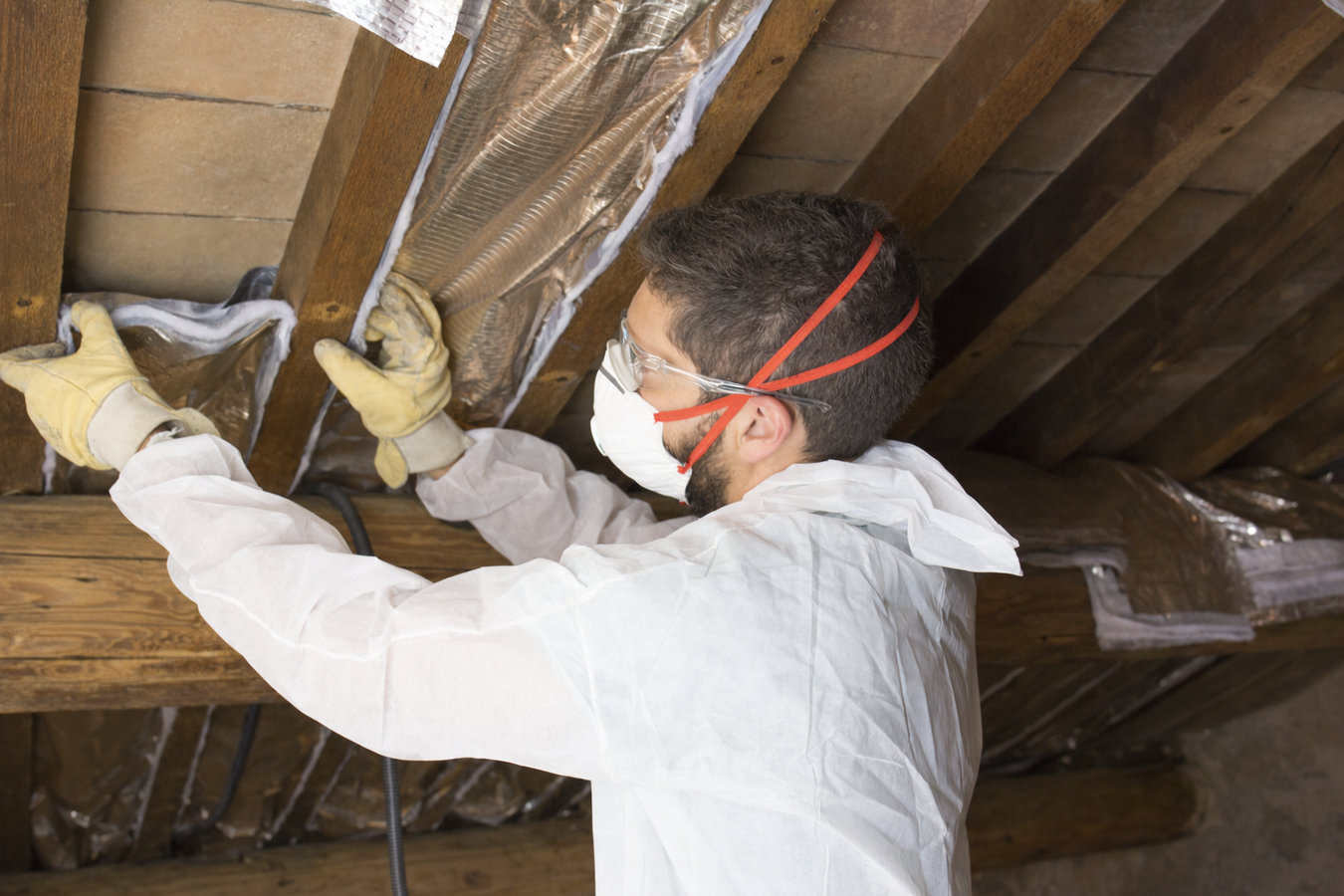
Every gap in your attic floor lets heated air escape in winter and lets heat pour in during summer. Attic air sealing closes those gaps so your home holds temperature and your furnace stops working overtime.
Attic air sealing in Rock Island means finding and closing the gaps in your attic floor where conditioned air escapes - around pipes, wires, light fixtures, and the tops of interior walls - using foam, caulk, or rigid blocking. Most single-family jobs are completed in one day.
If your Ameren Illinois gas bill climbs every November and your upstairs rooms still feel drafty, air leakage in the attic is one of the most likely reasons. Rock Island sits in climate zone 5, where heating season runs from October through April - six months of your furnace fighting against every gap overhead. The attic is typically where the largest and most impactful leaks are found, which is why sealing it first delivers the biggest return.
Air sealing and insulation work together but do different jobs. If your attic has thin or settled insulation on top of unsealed gaps, we often recommend pairing attic air sealing with retrofit insulation - sealing first, then adding insulating material on top, for the most complete improvement.
If your Ameren Illinois gas bill climbs sharply from November through February and your thermostat settings have not changed, air leakage is one of the most common causes. Rock Island winters are cold enough that even moderate attic leakage can add hundreds of dollars to your annual heating costs. If your bills feel out of proportion to your home's size, the attic is worth investigating.
If bedrooms or rooms directly below your attic are noticeably colder in winter or stuffier in summer than the rest of the house, conditioned air is escaping - or outside air is getting in - through the attic floor. This is especially common in Rock Island's older two-story homes, where the attic floor may never have been properly sealed when the house was built.
Pull down your attic hatch or open the attic door and hold your hand near the edges. Moving air or visible light coming through gaps around pipes, wires, or the hatch frame itself are direct air leaks. These are among the easiest to spot and often among the most significant in terms of energy loss.
Ice dams - the ridges of ice that build up along the edge of a roof - are a sign that warm air is escaping through your attic and melting snow unevenly. Rock Island gets enough winter precipitation that ice dams are a real seasonal problem in older neighborhoods. If you saw them last year, attic air sealing is one of the most effective ways to prevent them from coming back.
We seal every penetration in the attic floor - around plumbing pipes, electrical wiring, recessed light fixtures, chimney chases, and the tops of interior partition walls. Depending on the gap size and location, we use spray foam, caulk, or rigid foam blocking to get a durable seal. We do not skip small gaps because small gaps add up. For homeowners who want to address the whole home at once, we often combine attic work with our full air sealing services that cover basement rim joists, wall penetrations, and other areas beyond the attic.
Before sealing begins, we move existing insulation aside to expose the attic floor and get a clear look at every gap. After sealing is complete, the insulation goes back in place - or we discuss adding more if the existing layer is thin or uneven. The U.S. Department of Energy identifies attic air sealing as one of the highest-return energy upgrades available to homeowners, and we follow best practices that ensure the work holds up for years.
Comprehensive sealing of all penetrations in the attic floor for homes that have never had this work done - the most common situation in Rock Island's older housing stock.
Combines air sealing with blown-in insulation to bring attic coverage up to current recommended depth - the best overall improvement for most Rock Island homes.
Targeted sealing focused on the thermal bypass areas most responsible for uneven roof snow melt, for homeowners who experienced ice dams in the last heating season.
Documented attic air sealing for homeowners preparing to sell, providing a verifiable improvement that supports energy efficiency disclosures and buyer confidence.
Rock Island sits in climate zone 5, where average January lows hover around 14 degrees and the heating season stretches roughly six months. That means your furnace is fighting air leakage for half the year. The payback on attic sealing here is faster than it would be in a milder climate simply because every sealed gap saves money over a longer season. Rock Island also has a large share of homes built before 1960 - homes that were constructed before energy efficiency was a design priority, often with dozens of unsealed penetrations around old plumbing stacks, wiring chases, and masonry chimneys. Homeowners in neighborhoods like Longview near the park or the Near Northside tend to see the biggest improvements because their homes have the most room for improvement. You can also reach our team serving Moline, IL and East Moline, IL for the same level of service across the Quad Cities.
Rock Island's location along the Mississippi River also creates elevated summer humidity - often above 70% relative humidity in July and August. This matters for attic sealing because the work must be done carefully to keep the attic itself properly ventilated while closing the gaps in the floor below it. A contractor working in Rock Island should understand local moisture patterns and leave soffit and ridge ventilation intact. Done correctly, attic air sealing does not trap moisture - it targets the right boundary while preserving the airflow the attic needs.
We ask a few basic questions - your home's age, approximate size, and what you have noticed about comfort or bills. Most Rock Island homeowners can schedule an assessment within a business day of reaching out. You do not need to prepare anything for this call.
We visit your home, go up into the attic, and take stock of what is there - existing insulation depth, visible gaps, and any moisture or ventilation issues. You receive a written estimate that breaks down what will be sealed, what materials will be used, and the total cost. This is the right time to ask about Ameren Illinois rebates.
The crew sets up protective coverings at the attic access point, moves existing insulation aside, and seals every gap using foam, caulk, or blocking. Work is contained in the attic - most homeowners do not need to leave the house. Most jobs are complete in a single day.
After the work is done, we walk you through what was sealed and provide any documentation needed for Ameren Illinois rebate applications or federal tax credit claims. You should notice improved comfort within the first few weeks, with the full bill impact showing over the first complete heating season.
Free estimate, no pressure. We reply within one business day.
(309) 791-9490A large share of Rock Island's housing was built before 1960 - before energy sealing existed as a practice. We have worked in these homes and know where the gaps hide: around old plumbing stacks, knob-and-tube wiring chases, and masonry chimneys. Experience with older construction means fewer missed spots and a more complete job.
We are familiar with the Ameren Illinois energy efficiency rebate program that serves Rock Island. If your project qualifies, we handle the documentation so you can access those rebates without extra paperwork on your end. This means the out-of-pocket cost for your project is often lower than the quoted price.
The most reliable way to verify attic air sealing work is through diagnostic testing that measures how much air is leaking from your home before and after the job. We use this approach so you have actual measurements rather than just a contractor's word. The Building Performance Institute recommends this testing as the professional standard for air sealing verification.
Rock Island's proximity to the Mississippi River means summer humidity and moisture patterns are different here than in drier parts of Illinois. We seal the attic floor boundary while leaving ventilation pathways intact - the right balance for this climate. A poorly done job that traps moisture creates problems; a well-done job does not.
Together these details add up to a contractor you can trust to do the job right in a Rock Island home - one who knows the local housing stock, understands the local climate, and gives you documentation you can actually use.
More questions? See the ENERGY STAR air sealing guide or the Building Performance Institute for independent guidance on best practices and contractor credentials.
After air sealing is complete, retrofit insulation adds the thermal layer that keeps the sealed attic working at its best year-round.
Learn MoreWhole-home air sealing addresses leaks throughout the house - walls, basement rim joists, and other zones beyond just the attic.
Learn MoreEvery month you wait is another month of heat escaping through gaps overhead. Call today or request a free estimate online - we reply within one business day.