
Loading...
Serving Rock Island, IL and surrounding areas. (309) 791-9490
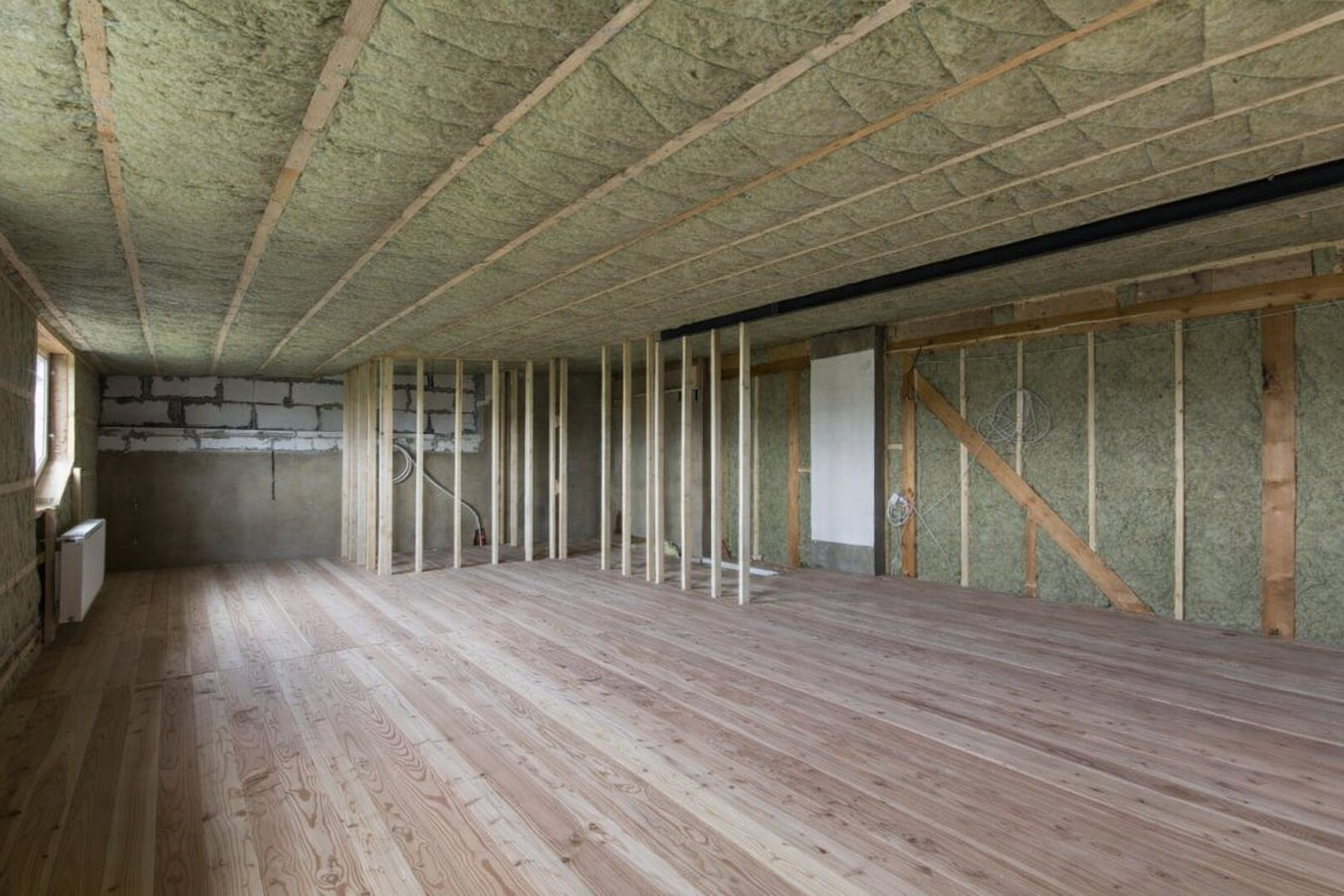
An uninsulated basement costs you money from October through April. We seal the rim joist and insulate your foundation walls so your whole home holds heat and your heating bill reflects it.
Basement insulation in Rock Island, IL stops heat from escaping through your foundation walls and rim joist - most jobs covering an average home are completed in one to two days with no disruption to the main living areas.
Heat rises, but cold travels in every direction. When your basement walls and rim joist are uninsulated, cold air pushes up through the floor into your living space while your furnace runs constantly trying to compensate. Rock Island has a large share of homes built before 1960, and many of those older foundations were never insulated to begin with. The fix is straightforward - but the difference it makes in comfort and on your heating bills is significant.
Basement insulation works best when paired with crawl space insulation if any part of your foundation is a crawl space rather than a full basement. Together they close the floor of your home from below and stop cold floors for good.
If your furnace runs constantly from November through March and bills climb higher than they should, heat is escaping through your foundation. Rock Island winters are long, and an uninsulated basement can account for a meaningful share of your home's total heat loss each season.
When the basement ceiling has little or no insulation, cold air from below seeps up through the floor into your living space. If your first-floor rooms feel drafty near the floor even with the heat running, the basement is almost always the culprit.
Moisture on basement walls or a persistent musty odor often signals that warm indoor air is meeting cold, uninsulated surfaces and condensing. In Rock Island homes near the river or with older foundations, this pattern is common and worth addressing before it leads to mold.
Many Rock Island homes from this era were built with little or no foundation insulation - it simply was not standard practice then. If your home is more than 50 years old and the basement has never been insulated, you are likely losing significant heat every winter without realizing it.
Every basement insulation job starts with a thorough look at your foundation walls, rim joist, and any existing insulation. We also check for moisture before recommending materials - insulating over a damp wall is a shortcut that causes mold problems later, and we will not do it. For older Rock Island homes with stone or brick foundations and irregular walls, we frequently recommend closed-cell foam insulation because it fills irregular surfaces completely, seals air gaps, and adds a moisture barrier all in one step.
For finished basements or projects where spray foam is not the right fit, rigid foam boards and fiberglass batts are solid alternatives installed to current standards. Every job includes air-sealing around pipes, wires, and the rim joist before insulation goes in - this is the step that separates a quality installation from a shortcut. The U.S. Department of Energy confirms that basement insulation and air sealing together are among the most cost-effective energy upgrades available for older homes.
Best for older homes with irregular walls and lots of air gaps - fills every void, seals air leaks, and adds moisture resistance in a single application.
A strong choice for finished or soon-to-be-finished basements - rigid panels attach cleanly to foundation walls and handle moisture well.
A budget-friendly option for unfinished basements when moisture is not a major concern and wall surfaces are relatively even.
The highest-return improvement in most older Rock Island homes - foam applied to the rim joist stops the biggest single source of cold air entering the house.
Rock Island winters are serious. Temperatures regularly drop below zero, and the heating season runs from October through April - more than half the year your furnace is working against the cold. An uninsulated or poorly insulated basement is not a minor inconvenience; it is actively costing you money for six months at a stretch. The city also has a large share of homes built before 1960, many with stone or brick foundations that have settled over decades and developed cracks and gaps that insulation alone cannot bridge without thorough air-sealing first. Homeowners in Coal Valley and Milan face the same older-home challenges throughout this part of the Quad Cities.
Rock Island's proximity to the Mississippi River adds another layer to every basement project. Homes in the river corridor can see elevated groundwater and seasonal humidity that make moisture a real concern beneath the first floor. Before any insulation goes in, a proper assessment looks for signs of water intrusion - because insulating over a damp wall traps moisture and creates conditions for mold and structural damage. Getting the moisture question right first is what separates a lasting installation from one that causes problems a year down the road. Rock Island is served by Ameren Illinois, which offers energy-efficiency rebates for qualifying insulation work, which can meaningfully reduce your out-of-pocket cost.
Reach out by phone or the online form and we get back to you within 1 business day. We ask a few questions about your basement and main concerns so we arrive prepared. There is no cost to start the conversation.
We walk through your basement, check the walls, rim joist, and any existing insulation, and look carefully for signs of moisture. We ask what is bothering you most - cold floors, high bills, or dampness - then recommend the right approach for your specific home.
After the visit you receive a written estimate that breaks down cost, materials, and exactly what the work includes. Take your time comparing options - a good contractor will not push you to decide on the spot.
The crew arrives, air-seals first, then installs insulation. Most jobs wrap up in one day. Before leaving we walk you through what was done and what to expect next, including re-entry timing if spray foam was used.
Free estimate, no obligation. We respond within 1 business day and never pressure you to decide on the spot.
(309) 791-9490We assess every basement for signs of water intrusion before recommending materials. In a city with Rock Island's proximity to the Mississippi River, skipping that step sets homeowners up for mold problems later. We will tell you the truth about what we find, even if that means recommending a waterproofing step first.
The most common shortcut in basement insulation is skipping air-sealing around pipes, wires, and the rim joist. We include it on every job because insulation without air sealing leaves cold air pathways that undermine the whole project. That is why the Building Performance Institute treats air sealing as foundational - learn more at bpi.org.
Rock Island has one of the oldest housing stocks in western Illinois, and we have worked on homes throughout this area built before 1940. Older stone and brick foundations require a different approach than poured concrete, and we know how to achieve a complete installation in spaces that are not perfectly uniform.
Many Rock Island homeowners qualify for energy-efficiency rebates through Ameren Illinois but never claim them because the process feels complicated. We walk you through what qualifies and whether your project is eligible, so you capture that credit rather than leaving money on the table.
Every one of these points comes back to the same outcome: a basement insulation job that actually performs the way it should, in a Rock Island home, through a Rock Island winter. That is what we show up to do.
Dense, moisture-resistant closed-cell foam is one of the strongest choices for basement walls and rim joists in older Rock Island homes.
Learn MoreIf part of your foundation is a crawl space, targeted insulation there stops cold floors and moisture damage at the source.
Learn MoreEvery heating season you wait is another six months of higher bills and cold floors. Call today or submit a request and we will get back to you within 1 business day.