Loading...
Serving Rock Island, IL and surrounding areas. (309) 791-9490
You do not need to tear out walls to make an older Rock Island home more comfortable. Retrofit insulation adds material to your attic, walls, and crawl space through small openings - no renovation required.
Retrofit insulation in Rock Island means adding insulating material to an existing home - attic, walls, or crawl space - through small openings rather than full demolition, improving thermal performance and comfort in one to two days for most single-family homes.
A large share of homes in Rock Island were built before modern insulation standards existed. Walls built in the 1950s or 1960s often have little or nothing inside them, and whatever is in the attic has likely settled and thinned over decades. If your furnace runs constantly in January without the house feeling warm, or if one bedroom is always colder than the rest, inadequate insulation is often the direct cause. Retrofit insulation is specifically designed for exactly this situation - it improves homes that were never properly insulated without requiring a gut renovation.
Insulation and air sealing work best as a pair - insulation slows heat movement through solid surfaces, while attic air sealing closes the actual gaps and cracks where air moves freely. We assess both during every estimate so homeowners understand the full picture before deciding on scope.
Rock Island winters are genuinely cold, and a well-insulated home should hold heat without your furnace running constantly. If your energy bills climb sharply during cold snaps - or if your furnace seems to run all day without the house ever feeling warm - heat is escaping faster than your system can replace it. This is one of the most reliable indicators that insulation is underperforming somewhere in the home.
If one bedroom, a corner of the living room, or a room above the garage is always noticeably colder in winter than the rest of the house, insulation in that area is likely thin or missing. In older Rock Island homes, exterior walls were often built with little or no insulation inside them, and that shows up as rooms that never quite warm up no matter how high you set the thermostat.
Hold your hand near an electrical outlet on an exterior wall during a cold day. If you feel cool air coming through, outside air is getting in through the wall cavity. The same goes for gaps around baseboards and where the floor meets the wall. These are signs the wall cavity has little insulation and that air sealing is also needed alongside the insulation upgrade.
Rock Island's location near the Mississippi River makes crawl spaces here especially prone to moisture. If the floor above your crawl space feels cold in winter, or if you notice a musty smell coming up from below, the crawl space likely has inadequate insulation and possibly no vapor barrier. Left unaddressed, this combination leads to higher energy bills and potential damage to your floor structure over time.
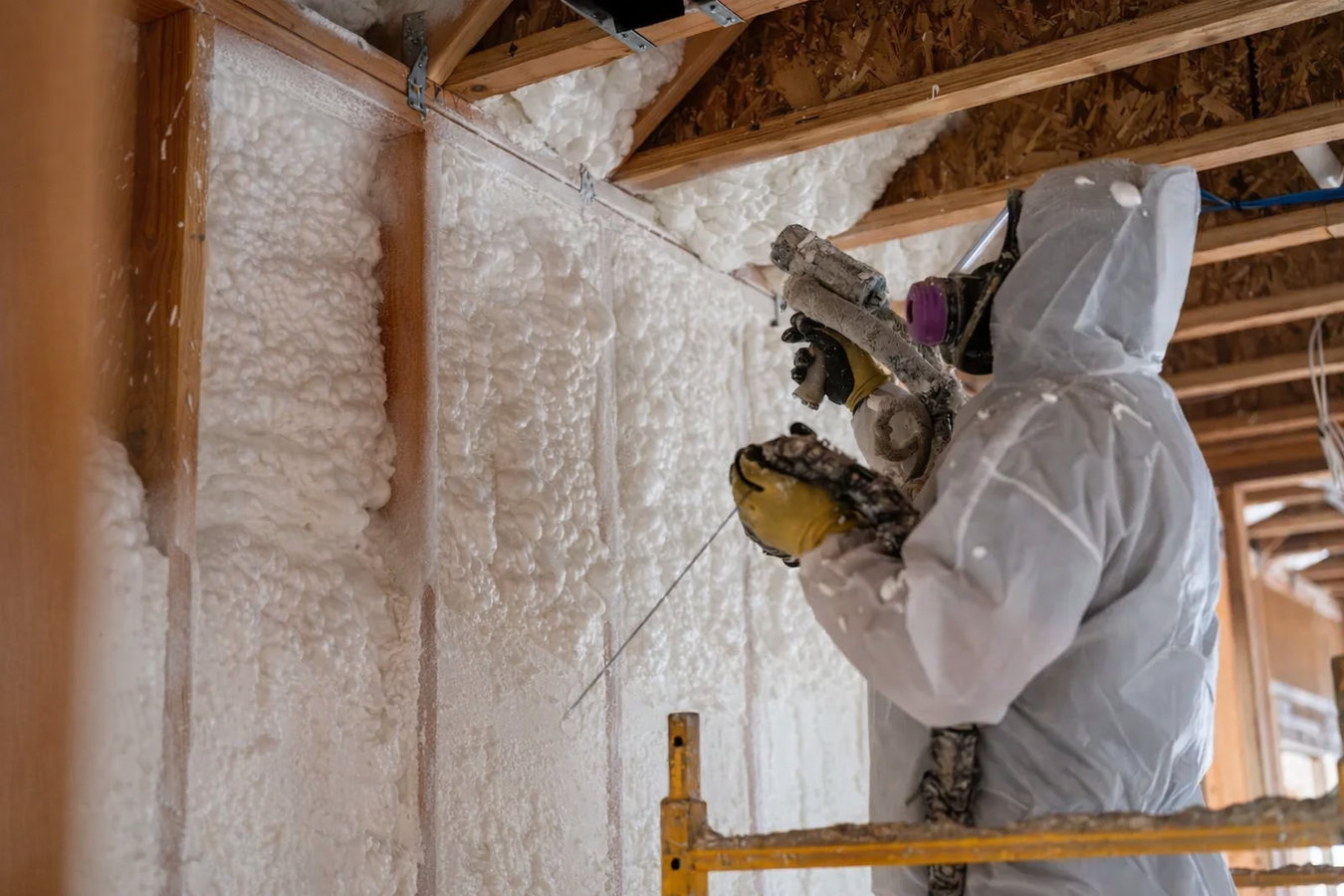
We assess each area of the home separately before recommending a material or method. The attic is usually the starting point because it has the biggest impact for most homes - blown-in cellulose or fiberglass is added on top of existing material to bring coverage up to recommended depth. Wall insulation uses a drill-and-fill method: small holes are drilled in the siding or drywall, insulating material is injected into each wall cavity, and each hole is patched cleanly before the crew leaves. For crawl spaces in Rock Island - where ground moisture from the river corridor is a real factor - we assess moisture conditions first and pair insulation with a spray foam insulation application or vapor barrier recommendation when the conditions warrant it.
Every estimate includes a walkthrough of the areas being treated and a plain-language explanation of what material is being used and why. We confirm which materials qualify for Ameren Illinois rebates and federal tax credits before the job starts so you have the documentation you need at the end. The ENERGY STAR insulation guidance is a reliable reference for homeowners who want to understand recommended depth and coverage standards before the contractor arrives.
Blown-in material added to thin or settled attic insulation - the highest-return improvement for most Rock Island homes and often the logical first step.
Drill-and-fill injection for homes with little or nothing inside exterior wall cavities - ideal for older Rock Island homes where exterior walls were built without insulation.
Insulation installed between floor joists or on crawl space walls, often combined with moisture assessment and vapor barrier recommendations for homes near the river.
Attic, wall, and crawl space treated in a single project for homeowners who want the full improvement in comfort and energy bills at once - with combined rebate and tax credit documentation.
Rock Island sits in a climate zone where winter temperatures regularly drop into the single digits and wind chills push well below zero. That kind of cold puts real pressure on any home's insulation, and the pressure is greater here because so much of the housing stock was built before modern standards existed. A large share of homes in Rock Island were built before the 1980s, when insulation requirements were far less demanding than they are today. Many have little or no wall insulation and attic coverage that has settled over decades. Retrofit insulation is specifically designed for homes like these - it can be added without tearing anything apart, which keeps costs manageable for homeowners in established neighborhoods. Homeowners in Moline, IL and Milan, IL face many of the same challenges and can access the same retrofit services across the area.
Rock Island's location along the Mississippi River corridor also creates elevated humidity and moisture conditions that affect crawl spaces and basements more than in drier parts of Illinois. When a contractor insulates a crawl space here, they should also assess whether a vapor barrier is needed - moisture that works its way under new insulation degrades the material and creates conditions for mold. This is a step that matters more in Rock Island than in many other markets, and it is one we build into every crawl space assessment.
We ask a few basic questions about your home's age and which areas concern you most, then schedule a free in-home assessment. Most Rock Island homeowners can get on our schedule within a business day of reaching out. You do not need to prepare anything for this first call.
We look at your attic, check wall cavities where possible, and assess your crawl space. We may use a thermal camera or blower door test to find problem areas you cannot see. At the end of the visit, we explain what we found in plain language and tell you which areas would benefit most from treatment.
You receive a written estimate that breaks down the work by area, the type of material, and the total cost. This is the right time to ask about Ameren Illinois rebates and the federal tax credit. We confirm upfront which materials qualify so the documentation is ready at the end of the job.
The crew arrives, completes the work in the areas outlined in your estimate, and cleans up before leaving. Attic work is typically done in a single morning. Wall and crawl space work adds time but is usually complete within one to two days. Before we leave, we walk you through the finished work and hand you the documentation you need for rebate and tax credit applications.
Free in-home assessment, no obligation. We reply within one business day.
(309) 791-9490Many of the homes we work on were built before 1960, when insulation requirements were minimal and wall cavities were often left empty. We know the construction patterns common in Rock Island - the brick exteriors, the wood-frame walls, the older framing - and we match the right material to each space rather than using a single approach for every job.
Rock Island is in the Ameren Illinois service territory, and qualifying insulation upgrades are eligible for rebates through their energy efficiency program. We confirm which materials qualify before the job starts and provide the documentation you need to submit your rebate claim. This step alone can meaningfully reduce your out-of-pocket cost.
In Rock Island, the Mississippi River corridor raises moisture levels in crawl spaces more than in drier parts of Illinois. We assess moisture conditions as part of every crawl space estimate and recommend vapor barrier solutions where needed - because insulation installed over a moisture problem will not perform the way you expect it to. The North American Insulation Manufacturers Association sets best-practice standards we follow on every job.
You receive a written, itemized estimate after the assessment - not a verbal number and a handshake. We give you time to compare quotes and ask questions. A trustworthy contractor does not need to close you the same day, and we do not operate that way. If you have questions after the estimate, we are easy to reach.
Retrofit insulation done right in a Rock Island home means the improvement holds up for years - not just through the first winter. That requires knowing the local conditions and using materials and methods that are matched to them.
For independent guidance on insulation standards and incentives, see the ENERGY STAR federal tax credit guide or the U.S. Department of Energy insulation resource.
For crawl spaces and basement rim joists where a denser, moisture-resistant material is a better fit than blown-in products.
Learn MoreOverview of the full range of home insulation options available for Rock Island homeowners at every stage of the project.
Learn MoreCold rooms and high bills are not something you have to live with. Call today or request a free estimate - we reply within one business day and can usually schedule an assessment that week.