
Loading...
Serving Rock Island, IL and surrounding areas. (309) 791-9490
Rock Island Insulation is an insulation contractor serving Carbon Cliff, IL with attic insulation, blown-in insulation, crawl space insulation, and basement insulation. We have served Rock Island County since 2017 and respond to all Carbon Cliff requests within 1 business day.
Rock Island Insulation is an insulation contractor serving Carbon Cliff, IL with attic insulation, blown-in insulation, crawl space insulation, and basement insulation. We have served Rock Island County since 2017 and respond to all Carbon Cliff requests within 1 business day.
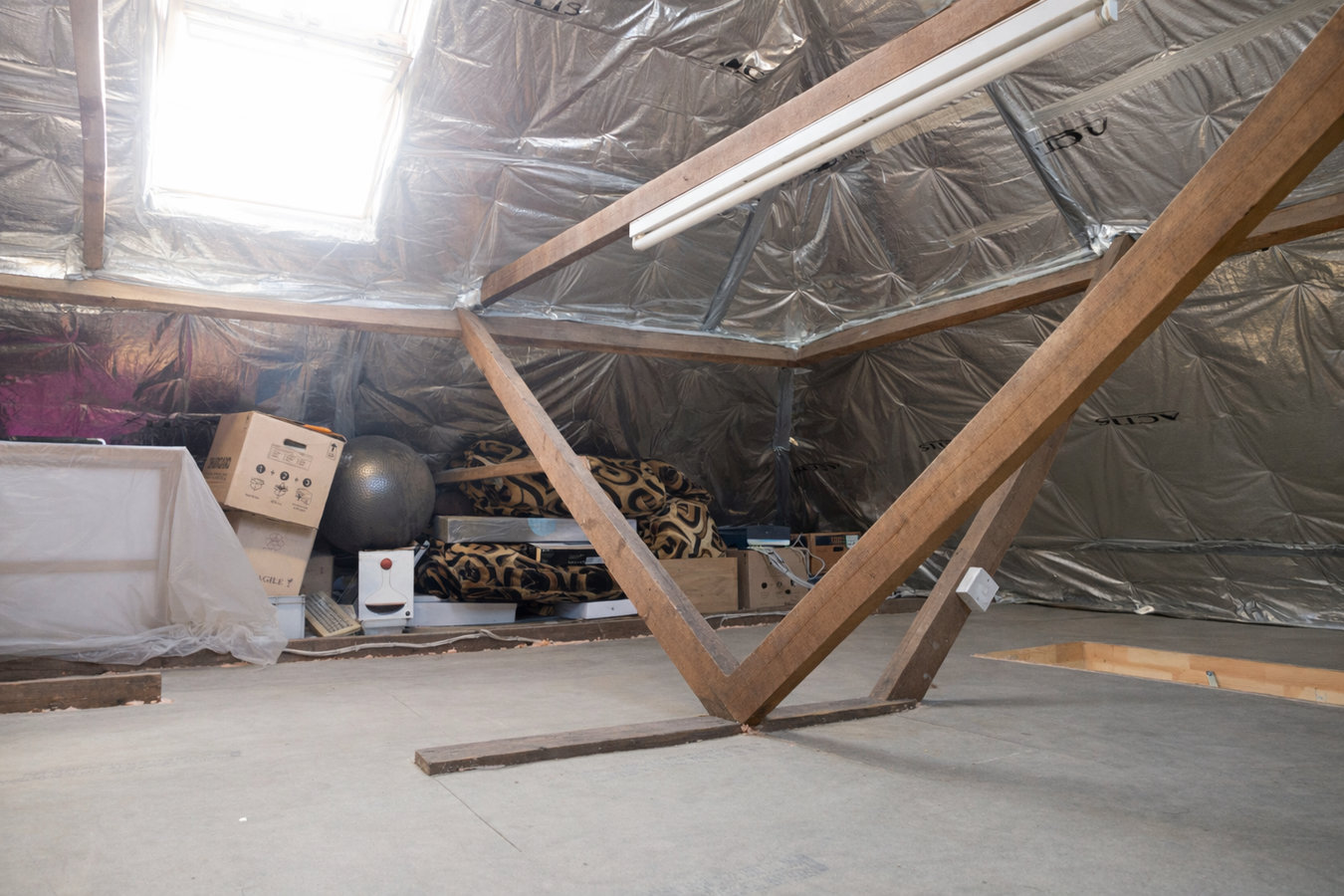
Attics in Carbon Cliff's older homes are the single biggest source of heat loss in winter and heat gain in summer - and in a village where most homes were built before 1970, original attic insulation is rarely adequate by current standards. Bringing the attic up to the right R-value stops that loss at the source. Learn more about our attic insulation services and what the process looks like from initial assessment through installation.
Blown-in insulation is the most efficient method for covering an attic floor in Carbon Cliff homes - it fills completely around wiring, pipes, and blocking without requiring any existing materials to be disturbed. It is also the standard approach for adding insulation to wall cavities in older homes where drilling small holes is far less disruptive than opening up drywall. Most blown-in attic jobs are finished in a few hours.
Carbon Cliff homes on lower-lying lots near the river sometimes have crawl space foundations that see higher humidity and occasional moisture intrusion after wet springs. An uninsulated crawl space sends cold air and moisture up through the floor joists all winter. Insulating the crawl space floor joists and adding a vapor barrier addresses both problems, and the improvement in first-floor comfort is usually noticeable within the first cold stretch.
Uninsulated concrete basement walls in Carbon Cliff draw cold into the home all winter long, and the clay-heavy soil in this part of Rock Island County holds moisture against those walls. Insulating the basement walls and rim joists with closed-cell foam or rigid board stops both the thermal and moisture problem at the same time, and the improvement shows up immediately in first-floor temperatures.
Air sealing is the step that makes new insulation actually work. Older Carbon Cliff homes have gaps at the top plates, around chimney penetrations, and at attic access hatches that allow conditioned air to escape even after insulation is added. We include air sealing as part of every full attic insulation job because skipping it means the insulation underdelivers from day one.
Homes in Carbon Cliff that sit on crawl space foundations or have unprotected basement floors deal with ground moisture year-round, and proximity to the Mississippi River makes that problem worse in wet seasons. A properly installed vapor barrier in the crawl space or basement floor dramatically reduces humidity, protects wood framing and insulation from moisture damage, and improves air quality in the living space above.
Carbon Cliff is a small village of about 1,700 people on the western edge of Rock Island County, and its housing stock reflects its history as a working-class river community. Most homes in the village were built before 1970, and many date back to the 1940s and 1950s. Homes from that era were built with minimal insulation - typically thin fiberglass batts in the attic and nothing in the wall cavities or crawl spaces. The Quad Cities climate is unforgiving: January lows in the single digits and wind chill that pushes temperatures well below zero make under-insulated homes genuinely uncomfortable and expensive to heat. The frost depth in this part of Illinois reaches 30 to 40 inches in a hard winter, which puts continuous stress on foundations and any structure in contact with the ground.
The Mississippi River runs along the western edge of Carbon Cliff, and that proximity matters for insulation decisions. Lower-lying lots in the village see higher groundwater levels, and spring rains can leave basements and crawl spaces damp for weeks. Moisture and cold together are harder to address than either problem alone - insulation material choice has to account for both. Severe thunderstorms are also common in this part of the Quad Cities from spring through summer, and hail or roof damage can allow water into the attic where it soaks existing insulation without any visible sign from inside the home. Regular assessments catch those problems before the damage compounds.
Our crew works throughout Carbon Cliff regularly, and we understand the local conditions that affect insulation work here. Carbon Cliff is a low-density village with a compact footprint - homes sit on a handful of main roads and side streets, most of them single-family properties with driveways, small yards, and attached or detached garages. The housing stock is almost uniformly mid-20th century, which means the most common findings are settled or absent attic insulation, empty wall cavities, and crawl spaces with no vapor barrier or insulation at all. Rock Island County's building department handles permits for work in Carbon Cliff, and we know the county's requirements and pull permits when needed.
Carbon Cliff sits between Silvis to the west and Hampton to the north, along the bluffs that line this stretch of the Mississippi. The Carbon Cliff Village Hall is the local center of government for permits and community business. The river views and quiet streets make this a community where homeowners tend to stay long-term - and long-term owners are the ones who benefit most from a proper insulation upgrade that lasts for decades.
We also serve Hampton to the north and Silvis to the west as part of our regular territory in this corner of Rock Island County. If you are anywhere in this part of the Quad Cities, we are your neighbor.
Reach us by phone or through the estimate form on our contact page. We respond within 1 business day and ask a few quick questions about your home and what you have noticed so we can come prepared.
We inspect the attic, walls, basement, or crawl space and measure what is actually there. You get a written estimate before we leave - no surprise numbers later and no pressure to commit. This visit often identifies issues the homeowner had no idea existed.
Most Carbon Cliff jobs are finished in a single day. Blown-in attic insulation and crawl space work are clean, low-disruption processes - no major debris and no torn-out materials. You can stay in the home while we work.
We walk through the finished work with you and answer any questions before we leave. If anything comes up after the job - a question, a concern, anything - call us. We stand behind our work and will come back to address it.
We serve Carbon Cliff and all of Rock Island County. Written estimate, no obligation, and a crew that actually knows this village and its older housing stock.
(309) 791-9490Carbon Cliff is a small village of about 1,700 residents in Rock Island County, tucked along the Mississippi River bluffs between Silvis and Hampton. Despite its size, Carbon Cliff has a strong owner-occupant culture - most residents have lived here for years and have a real stake in their properties. The village is part of the broader Quad Cities metro but feels distinctly small-town, with a handful of main roads and quiet side streets shaded by mature trees. Housing is almost entirely single-family, with modest brick and wood-frame homes on small to medium lots. The village of Carbon Cliff falls within Rock Island County, so building permits and inspections go through the county office in Rock Island, just a few miles to the south.
The Mississippi River is the defining geographic feature here - visible from higher streets and a constant influence on drainage, humidity, and soil conditions throughout the village. Most of the residential housing was built between the 1940s and 1960s, which means insulation upgrades are a practical priority for homeowners who want to reduce heating costs and keep the home comfortable through the full range of Quad Cities weather. Neighbors in Silvis and Hampton deal with the same housing stock and climate, and we serve all three communities as part of our regular territory.
Seals air gaps and delivers superior energy efficiency for your home.
Learn MoreHigh-density foam that insulates, strengthens, and blocks moisture.
Learn MoreFlexible, sound-dampening foam ideal for interior walls and attics.
Learn MoreProfessional insulation for offices, warehouses, and commercial buildings.
Learn MoreBlocks ground moisture to protect your crawl space and structure.
Learn MoreControls moisture migration to prevent mold and structural damage.
Learn MoreCall today or fill out the estimate form. We know Carbon Cliff and the surrounding area, and we will get back to you within 1 business day with a clear plan and a fair price.