Loading...
Serving Rock Island, IL and surrounding areas. (309) 791-9490
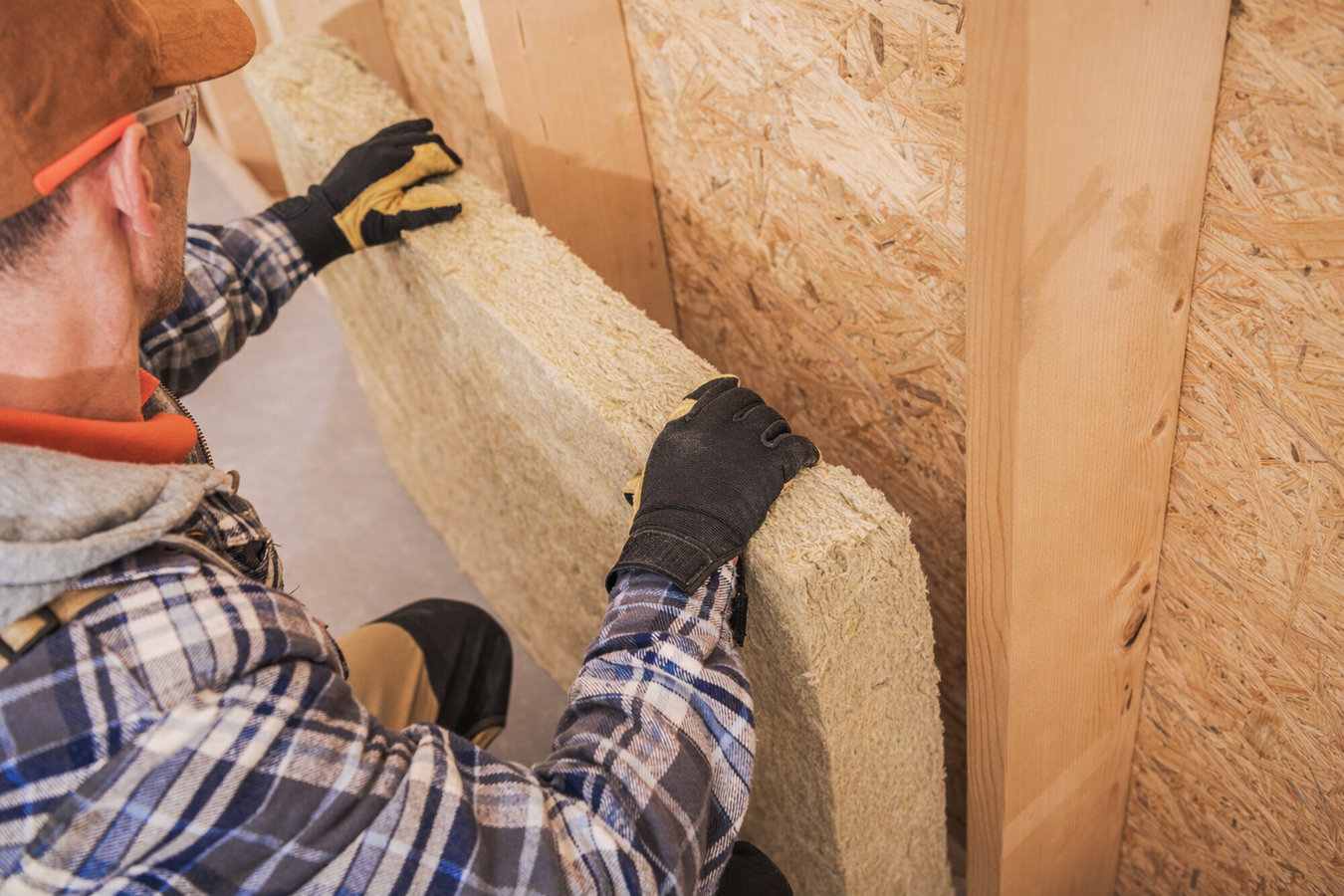
Most older Rock Island homes have empty wall cavities that let heat escape all winter long. We fill them fast, without tearing out your walls, so every room stays comfortable.
Wall insulation in Rock Island slows the movement of heat through your exterior walls, keeping your home warmer in winter and cooler in summer. Most jobs on a single-family home are completed in one to two days using the drill-and-fill method, with no drywall removal required.
Rock Island has a large share of homes built before 1960, and many were constructed with empty wall cavities. If your house is more than 40 years old and wall insulation has never been added, heat is escaping through those walls every month of the heating season. Wall insulation in Rock Island is often the single most cost-effective upgrade available to owners of older homes.
Because walls work together with the rest of your home envelope, we often recommend pairing wall insulation with our air sealing services to close the gaps that insulation alone cannot address - outlets, pipes, and framing penetrations that let cold air bypass the insulation entirely.
If your gas or electric bill climbs sharply from October through March and stays high no matter what you do, your walls may be letting heat escape faster than your furnace can replace it. Rock Island winters are long and cold, so even a modest improvement in wall insulation produces a noticeable drop in monthly costs.
Press your hand flat against an exterior wall on a January morning. If it feels noticeably cold, or if you feel cool air near an electrical outlet on that wall, heat is moving through the wall far faster than it should. This is especially common on the north and west sides of older Rock Island homes.
If one or two rooms are consistently colder in winter or stuffier in summer compared to the rest of your home, the walls in those rooms may have little or no insulation. This is a very common complaint in Rock Island's older neighborhoods where homes were built before energy standards existed.
Rock Island's location along the Mississippi River means summer humidity can be significant. If you see moisture on interior wall surfaces or notice a musty smell along exterior walls, warm humid air may be moving through uninsulated wall cavities. Addressing this quickly prevents much bigger problems over time.
We install wall insulation using the drill-and-fill method, which lets us reach every cavity in your existing walls without removing drywall or plaster. For most Rock Island homes, we use blown-in insulation - loose-fill material fed through small holes drilled in the wall surface. Blown-in material fills irregular spaces well and is a proven choice for retrofit projects in older homes with wood-frame construction.
In situations where air sealing and insulation need to happen together - around pipes, wires, and other penetrations - spray foam is the better tool. We assess each wall and each cavity before recommending a material, because the right choice depends on what is actually inside the wall and what problem you are trying to solve. Every job includes coverage verification before the holes are patched, so you have confirmation that every cavity was filled - not just the contractor's word for it. We also pair wall insulation with our air sealing services when gaps around outlets and framing need to be addressed at the same time.
Best for most existing single-family homes - fills cavities completely through small drilled holes with no wall demolition.
Ideal for walls with many penetrations or moisture concerns - seals air leaks and insulates at the same time.
We use density testing or thermal imaging to confirm every cavity was filled before we patch and leave.
Drilled holes are patched to match your wall surface - ready to paint within 24 hours of completion.
Rock Island sits in Climate Zone 5, where average January lows hover near 14 degrees Fahrenheit and the heating season runs roughly six months. That kind of sustained cold means under-insulated walls are not just a comfort problem - they are a significant ongoing cost. The older the home, the more likely the walls are empty or have only a thin settled layer of original material. Rock Island has one of the highest concentrations of pre-1960 housing in the Quad Cities, and many of those homes have never had wall insulation added. The U.S. Department of Energy documents how properly insulating and air-sealing walls can meaningfully reduce heating and cooling costs in homes like these.
The city's location along the Mississippi River also adds a moisture factor that inland communities do not deal with. Higher summer humidity means moisture management inside walls matters as much as thermal performance. Homeowners in Moline and Silvis face the same combination of cold winters, older housing, and river-corridor humidity - and the same solution applies. The Building Performance Institute provides standards for how retrofit insulation should be installed and verified in homes like those found throughout Rock Island.
Reach out by phone or the contact form and we get back to you within 1 business day. We ask about your home's age, which rooms feel drafty, and whether any insulation work has been done before. No cost to get started.
A technician visits your home and checks your existing wall cavities - often by probing an outlet or using a thermal camera. The visit typically takes 30 to 60 minutes and results in a clear picture of what is there and what is missing.
After the visit, you get a written estimate spelling out which walls will be insulated, what material will be used, how coverage will be verified, and how the holes will be patched. Nothing vague - specific enough that you can compare it against any other quote.
The crew drills, fills, verifies coverage, and patches holes in one to two days. You can stay home throughout. Furniture near exterior walls should be moved a foot or two before the crew arrives, and patches are ready to paint within 24 hours.
Free estimate. No pressure. We come to your Rock Island home, check your walls, and give you a written quote with no obligation.
(309) 791-9490One of the biggest worries about wall insulation is that you cannot see inside the walls after the work is done. We use density testing or thermal imaging to confirm coverage before holes are patched - giving you real proof, not just a promise.
Many homes in Rock Island were built with brick exteriors, plaster walls, and wood framing that has shifted over decades. Our crew knows how to work with these construction types without damaging original finishes or creating new problems.
The City of Rock Island may require a permit depending on your project scope. We know which jobs need one and handle all the paperwork - so the work is on record with the city when you go to sell the home or file an insurance claim.
Income-qualifying Rock Island County homeowners may be eligible for assistance through the Illinois weatherization program. We are familiar with these programs and can help you check eligibility before you pay out of pocket.
Every one of these points comes down to the same thing: you should know exactly what was done, why it was done, and have confidence it was done right. That is what we aim to deliver on every wall insulation job in Rock Island.
Close the gaps that insulation alone cannot fix - air sealing stops drafts at the source and makes your wall insulation work harder.
Learn MoreBlown-in material is the most common choice for filling wall cavities in existing homes without tearing out drywall.
Learn MoreRock Island winters are long. The sooner your walls are insulated, the sooner your heating bills reflect the difference - and appointments fill up before the cold season arrives.