Loading...
Serving Rock Island, IL and surrounding areas. (309) 791-9490
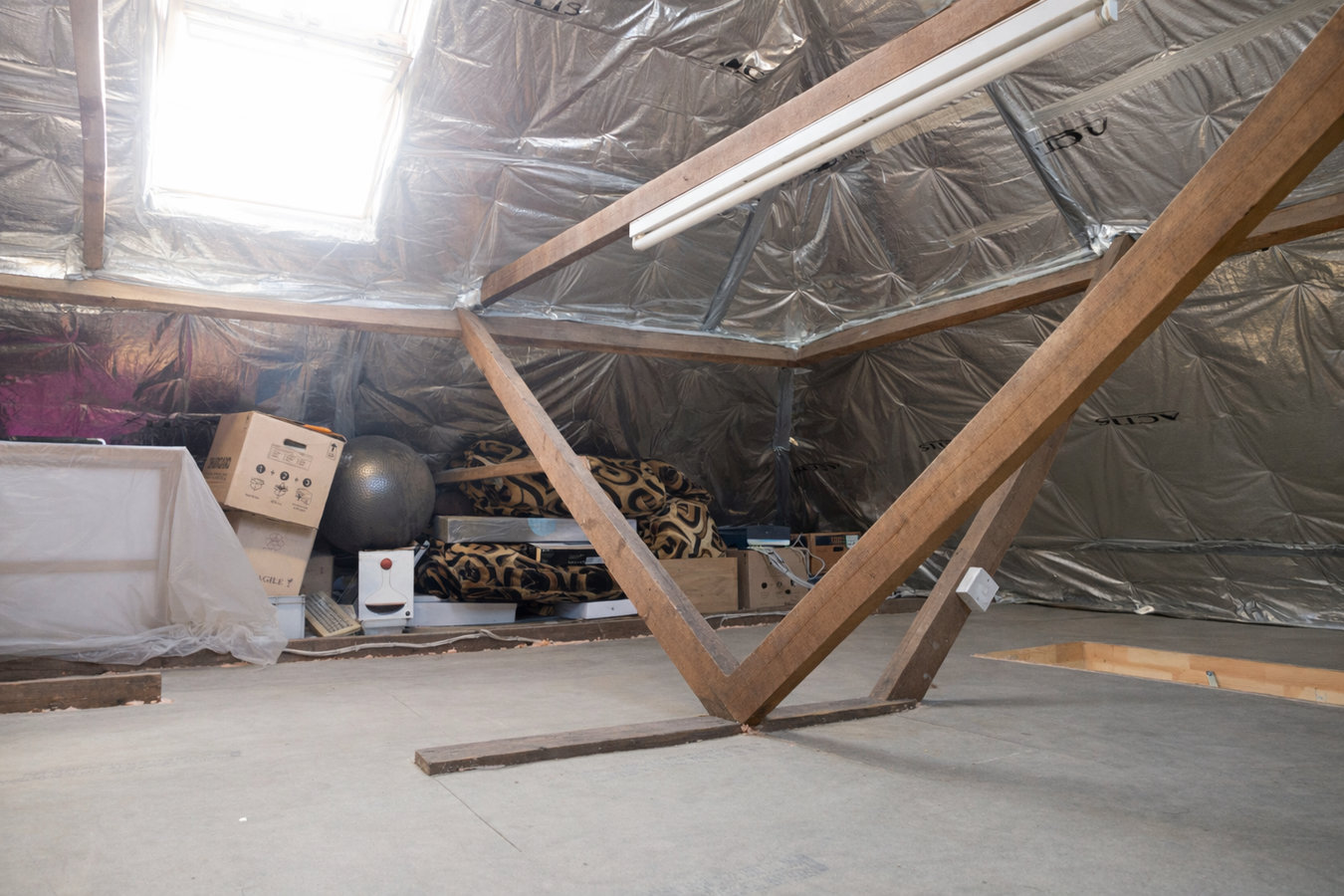
Most Rock Island homes lose more heat through the attic than anywhere else. Proper insulation and air sealing stop that loss - so your furnace keeps up without working overtime.
Attic insulation in Rock Island, IL acts as a thermal barrier between your living space and the outdoors - most jobs for an average-sized home are completed in two to six hours, with no need to leave the house during installation.
Heat rises. In a home with thin or degraded attic insulation, that heat travels right through the ceiling and out into the cold air above. In summer, heat radiates down from a hot roof through an underinsulated attic and into your living space. The result is the same either way - rooms that are harder to keep comfortable and a heating and cooling system that runs longer than it should. Rock Island sits in Climate Zone 5, where federal guidelines call for fiberglass attic insulation roughly 14 to 18 inches deep - and most older homes in the area fall well short of that.
A properly insulated attic also prevents ice dams in winter, which are a real risk on older Rock Island roofs. We always pair attic insulation with attic air sealing to close the gaps that let conditioned air escape before the insulation even gets a chance to do its job.
If your gas or electric bill jumps sharply during Rock Island's coldest months - even when you have not changed your thermostat habits - heat is likely escaping through your attic. Heat rises, and an underinsulated attic is the most common place it escapes.
Ice dams are ridges of ice that build up along the edge of your roof after a snowfall. They form when heat escaping through an underinsulated attic melts snow at the peak, and that water refreezes at the cold eaves. Left alone, they force water under shingles and cause damage inside the home.
If you can look into your attic and see the wooden joists poking above the insulation, you almost certainly do not have enough. Insulation should cover those joists completely and then some. If what you see looks gray, compressed, or uneven, it has settled and is no longer performing.
Many Rock Island homes built before the 1980s were insulated to standards well below what is recommended today. If you have never had the attic insulation inspected or upgraded - or if you bought an older home and do not know its history - it is worth having a contractor take a look.
Every attic insulation project starts with air sealing. Sealing the gaps around light fixtures, plumbing penetrations, and interior wall tops before adding new material is the step most contractors skip - and skipping it is the most common reason homeowners do not see the energy savings they expected. Think of it this way: piling new insulation over an air leak is like putting a thick blanket over an open window. We always do this first. For a closer look at what that process involves, see our dedicated attic air sealing service.
After sealing, we install insulation to the depth your home needs to meet current recommendations for Climate Zone 5. For most existing attics, we use blown-in insulation, which fills around joists, wiring, and irregular corners without leaving the gaps that batt insulation can leave behind. Batt installation is available for new construction or attics with easy, open access. If your existing insulation is water damaged, moldy, or simply too degraded to build on, we can remove it first and start clean.
The most common choice for existing attics - fills irregular spaces completely and reaches the right depth across the entire attic floor.
Best for accessible new-construction attics or attic floors with standard framing and clear access.
We seal gaps around light fixtures, plumbing, and wall tops before any insulation goes in - the step that makes the biggest difference in actual energy savings.
When existing material is damaged, moldy, or too degraded to add on top of, we remove it cleanly before installing new insulation.
Rock Island's climate is one of the harder ones on homes in the region. Winters regularly bring temperatures in the single digits, and the city experiences multiple freeze-thaw cycles from November through March. That means your attic insulation carries a heavier load than it would in a milder climate. Neighborhoods like the Broadway Historic District are full of homes built in the late 1800s and early 1900s - beautiful properties that were never designed to meet today's energy standards. Upgrading the attic is consistently one of the highest-return improvements available in homes like these. The federal Energy Efficient Home Improvement Credit can offset up to 30 percent of qualifying insulation costs - ask your contractor whether the materials they use qualify.
Rock Island also sits along the Mississippi River, which means humidity levels are higher than in drier parts of Illinois. That moisture, combined with repeated freeze-thaw cycles, creates conditions where insulation can absorb water and lose its effectiveness over time. A contractor working in this area needs to check for moisture and ventilation issues before adding new material - not just pile new insulation on top of a problem. Homeowners in Carbon Cliff and Milan face similar conditions and we serve both communities.
Call or fill out the form and we respond within 1 business day. Most reputable insulation contractors offer free estimates - you should not have to pay anything just to find out what the job involves or what it will cost.
We go into your attic, measure the existing insulation, and check for moisture, mold, pest activity, or air leaks. You get a written estimate that explains exactly what is recommended and why - before you commit to anything.
On installation day, we seal gaps in the attic floor first, then run a blowing machine through a hose up into the attic to distribute insulation evenly. Most jobs take two to six hours. You do not need to leave the house.
When the job is done, we invite you to see the finished attic - or show you photos if the space is hard to reach. We provide written documentation of the materials used and depth achieved, which you need for any tax credit or MidAmerican Energy rebate.
We respond within 1 business day - no obligation. Someone from our office will call to schedule a free on-site estimate at a time that works for you.
(309) 791-9490We work on homes built in every era - from 1890s Victorians near Longview Park to 1950s bungalows closer to downtown. Older homes have specific quirks, like knob-and-tube wiring and irregular framing, and we know how to work around them safely.
Many contractors skip attic air sealing or charge extra for it. We include it as a standard step because it is what actually makes the insulation work. A home with new insulation over old air leaks is still a leaky home.
We prepare the rebate documentation before we leave the job site. If you are claiming a MidAmerican Energy rebate or the federal tax credit, you will have the paperwork in hand without having to chase us down afterward.
We know that waiting to hear back from a contractor is one of the most frustrating parts of the process. When you call or submit a form, you will hear from us within 1 business day - not a week later when you have already moved on.
Rock Island homeowners have specific needs - older homes, a cold climate, and moisture risk from the river. We build every project around what this area actually demands, not a one-size-fits-all approach. The North American Insulation Manufacturers Association sets the industry standard for proper installation - we follow those guidelines on every job.
Blown-in insulation is the most common choice for existing attics - fills around joists and irregular framing without leaving gaps.
Learn MoreAir sealing before insulation is the step most contractors skip - we always do it first to make sure you actually see the savings.
Learn MoreContact Rock Island Insulation today for a free on-site estimate - before the next cold snap hits and your heating bill arrives.