
Loading...
Serving Rock Island, IL and surrounding areas. (309) 791-9490
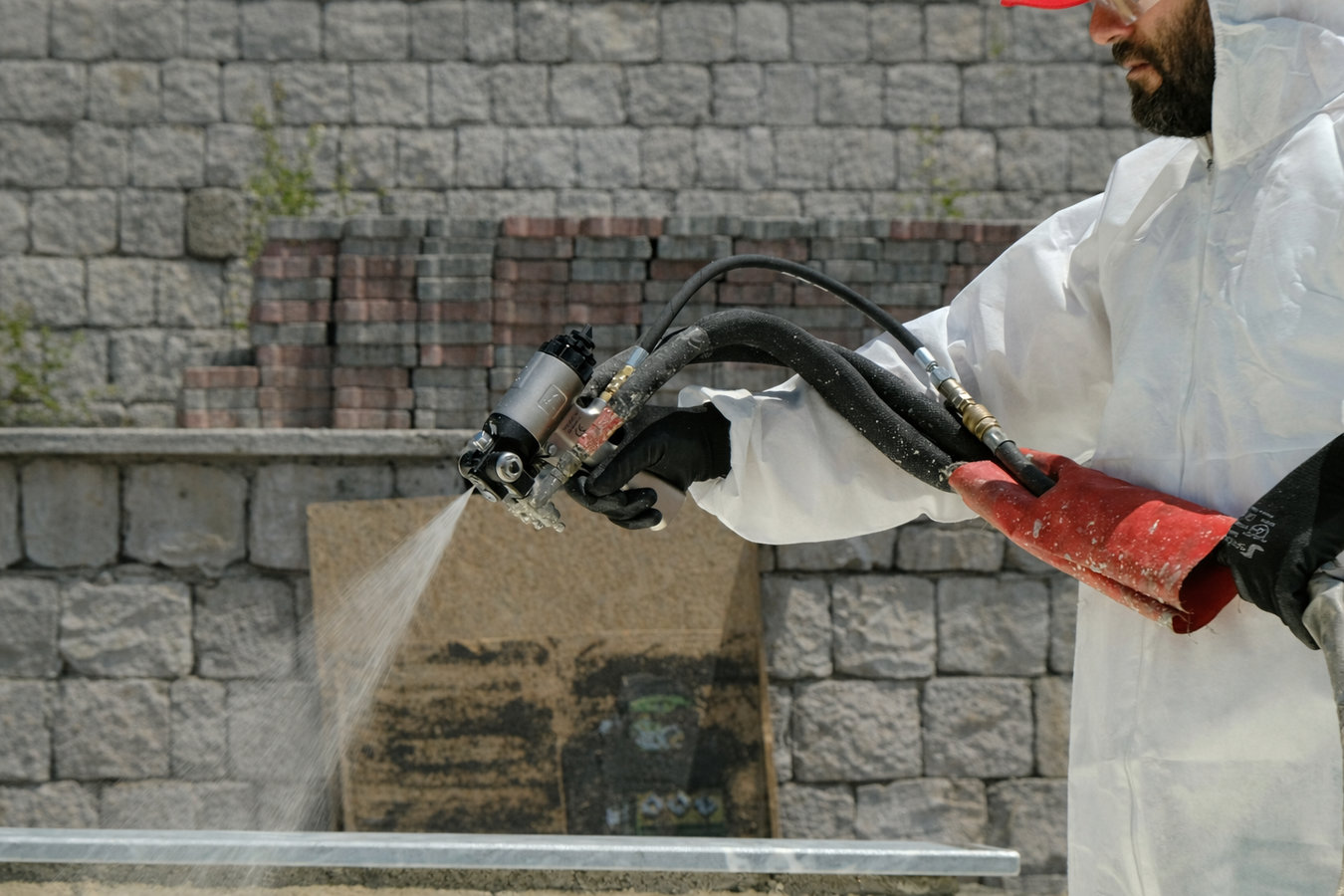
Rock Island winters are hard on homes with air leaks. Spray foam seals gaps, fills cavities, and insulates in one step - so your furnace stops fighting an uphill battle.
Spray foam insulation in Rock Island, IL provides air sealing and thermal insulation in a single application - most jobs covering attic rim joists, crawl spaces, or basement walls are completed in one to two days.
Rock Island has a large share of homes built before 1960, and many of them lose heat through dozens of small gaps around pipes, electrical penetrations, and framing. No other insulation material fills those irregular spaces the way spray foam does. If your heating bill spikes every January or certain rooms never quite warm up, air leaks are usually the cause.
Spray foam is also the strongest choice for moisture management in below-grade spaces. Rock Island sits along the Mississippi River, and basement dampness is a persistent problem here. For those spaces, we often recommend pairing spray foam with our attic insulation service to address heat loss from both the top and bottom of the home.
If your gas or electric bill jumps dramatically each winter - especially during Rock Island cold snaps - your home is losing heat faster than it should. A well-insulated home holds its temperature more steadily, so your furnace cycles at a normal pace instead of running constantly.
If one bedroom is always freezing in winter or never cools in summer, the insulation in that area is thin or missing. This is especially common in older Rock Island homes where additions were built at different times, or where original insulation has settled over the decades.
Hold your hand near an electrical outlet on an exterior wall on a cold day - if you feel cool air, that wall cavity is connected to the outside. In Rock Island's older housing stock, these small leaks are extremely common and add up to significant heat loss over a winter season.
Rock Island's proximity to the Mississippi River means basement moisture is a persistent problem. If your basement walls feel clammy or smell musty in spring and summer, the rim joists and foundation walls may have little insulation and no moisture protection - spray foam addresses both at once.
We install both types of spray foam depending on where in your home it is needed and what problem you are solving. For attics and interior walls, open-cell foam is often the right call - it is more affordable, provides excellent sound dampening, and handles the thermal load of a Rock Island winter. For below-grade spaces like basement rim joists and crawl spaces, we typically recommend closed-cell foam insulation, which is denser, more rigid, and adds a moisture barrier in addition to insulating.
Both types share one key advantage over other insulation materials: they seal air leaks at the same time they insulate. Fiberglass batts leave gaps. Blown-in material can shift over time. Spray foam expands to fill the exact shape of the cavity it is applied to, which means no gaps, no cold spots, and no air movement through the treated area. Every project starts with an assessment of where your home is losing energy, so we apply foam where it will do the most good.
Best for attics and interior walls - softer, more affordable, and excellent for sound dampening alongside thermal insulation.
Best for crawl spaces, basement rim joists, and exterior walls - rigid, dense, and moisture-resistant.
One of the highest-return applications in older Rock Island homes - stops the cold air highway along the top of your foundation.
Converts your attic into a conditioned space and eliminates temperature stratification in the rooms below.
Rock Island sits in Climate Zone 5 - one of the colder designations in the continental U.S. Winter temperatures regularly drop into the single digits, and the city experiences wide seasonal swings from brutal cold in January to hot, humid summers in July. That range puts constant stress on your home envelope. The bigger the gap between inside and outside temperature, the harder your HVAC system works - and the more you pay each month. Spray foam addresses this at the source by eliminating the air movement that drives most of that heat loss.
The city also has a large number of homes built before modern insulation standards existed. Neighborhoods like the Broadway Historic District and areas near Longview Park are full of well-maintained older homes that were never built to retain heat efficiently. Homeowners in Moline and Davenport face the same challenge - and spray foam is consistently one of the most effective upgrades available for homes of this era. The U.S. Department of Energy has documented the role air sealing plays in reducing energy consumption - read more at energy.gov.
Call or submit the form and we respond within 1 business day. We ask a few basic questions about your home and the areas of concern so we can come prepared. No cost to get a conversation started.
We walk through the spaces you are concerned about - attic, crawl space, basement rim joists, or walls - and take measurements. You get a written estimate that explains what type of foam is recommended for each area and what it will cost.
Clear the work area of stored items before we arrive. Plan to be out of the treated space during the job - the equipment is loud and there is a chemical smell while foam is being applied. Most residential jobs finish in a single day.
Foam hardens within hours but we recommend staying out of the treated area for 24 hours for full clearance. Before we leave, we walk you through the completed work so you can see exactly what was done and ask any questions.
We respond within 1 business day - no obligation. After you submit, someone from our office will call to schedule a free on-site estimate at a time that works for you.
(309) 791-9490We work in this neighborhood every day. We know the housing stock, the climate conditions, and the specific moisture challenges that come with living near the Mississippi River. That local knowledge shapes every recommendation we make.
When your project requires a permit, we handle the inquiries on your behalf so the work is properly on record with the city. You never take on that hassle when our crew is working on your property, and you get a documented job you can point to later.
We participate in the Ameren Illinois energy efficiency rebate program. We know what documentation you need and will prepare it before we leave the job site, so you can claim your rebate without extra paperwork on your end.
We do not pack up and disappear. Before we leave, we walk you through the finished work, confirm the areas treated, and provide written documentation of the type of foam used and the coverage achieved.
These are the things Rock Island homeowners tell us matter most when they call back to schedule a second project or refer a neighbor. Honest assessments, clean work, and no surprises - that is what we are built on.
Learn more about spray foam standards from the Spray Polyurethane Foam Alliance
Pair spray foam air sealing with proper attic coverage to maximize energy savings through Rock Island winters.
Learn MoreLearn more about the denser, moisture-resistant closed-cell option - ideal for basements and crawl spaces.
Learn MoreContact Rock Island Insulation today for a free on-site spray foam estimate - most jobs scheduled within the week.