
Loading...
Serving Rock Island, IL and surrounding areas. (309) 791-9490
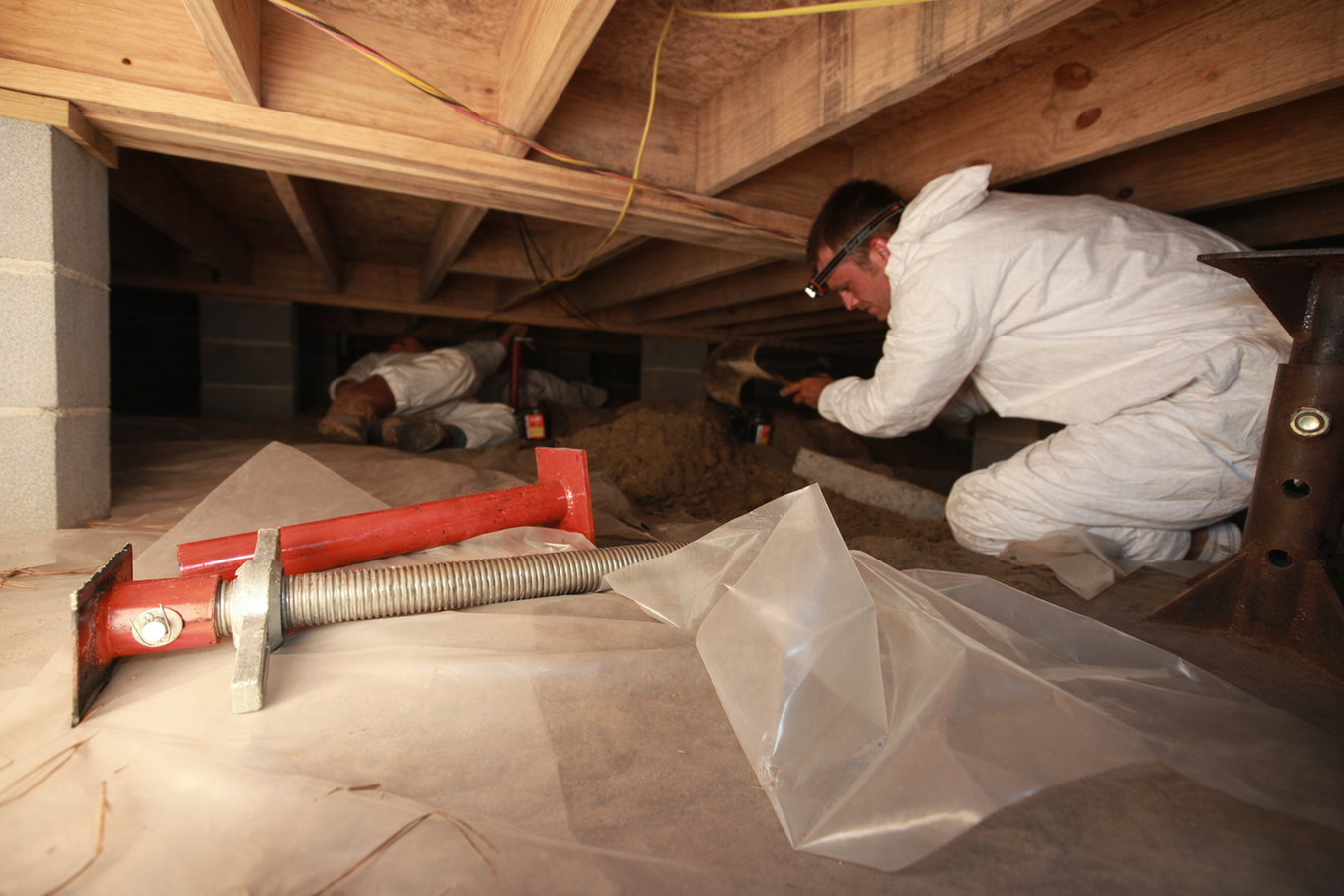
Ground moisture travels up through your crawl space every season, pulling heat from your floors and feeding mold growth you cannot see. Proper vapor barrier installation stops that moisture at the source and makes your home more comfortable from the ground up.
Vapor barrier installation in Rock Island seals ground moisture out of your crawl space using heavy-duty plastic sheeting laid on the soil floor, overlapped at the seams, and secured to the foundation walls. Most residential jobs are completed in one to two days from start to finish.
Rock Island sits in a climate zone where the ground beneath your home is almost never fully dry. Winters bring freezing temperatures and snowmelt, and summers are genuinely humid - average July humidity regularly exceeds 70%. The city's proximity to the Mississippi River raises the water table in parts of the city, pushing moisture upward through the soil with more force than in drier areas. If your home is older and you have never had the crawl space inspected, there is a real chance it has no effective barrier at all.
Vapor barrier installation works best alongside other protective measures. We often discuss crawl space vapor barrier options in detail with homeowners so they understand material choices and coverage before the work begins - because the right barrier for a home near the river is not the same as the right barrier for a home on higher ground across town.
If your hardwood or laminate floors feel noticeably cold underfoot during Rock Island's winters - colder than you would expect given your heating - moisture from the crawl space below may be the reason. Ground moisture draws heat out of your floor from below, and no thermostat adjustment will fully fix that. This is one of the most common complaints homeowners notice before realizing the crawl space is the source.
A persistent musty or earthy smell that gets stronger after rain or during Rock Island's wet spring season is often a sign that mold or mildew is growing in your crawl space. Moisture from the ground feeds that growth, and the smell travels up through gaps in your floors and into your living space. If the smell comes and goes with the weather, the crawl space is almost certainly involved.
If you have ever peeked into your crawl space and noticed water droplets on pipes, dark staining on the wooden floor joists, or soft or discolored wood, those are visible signs that moisture levels are too high. Wood that stays damp long enough will eventually rot, and that is a structural problem - not just a comfort issue. Catching it early with a vapor barrier is far less expensive than replacing damaged joists.
Homes built before the 1980s in lower-elevation neighborhoods near the Mississippi River are at elevated risk because of where they sit and when they were built. If your home is in this category and you have never had the crawl space inspected, there is a real chance it has no effective moisture barrier at all. You do not need to wait for symptoms - a quick look by a contractor tells you what you are dealing with.
We match the barrier material to your crawl space conditions rather than using one standard product for every job. Thicker barriers - 10 to 20 mil polyethylene - hold up better in spaces where a contractor or inspector may need to walk on them, or where moisture pressure from the soil is high. For most Rock Island homes, a 10-mil barrier installed with fully overlapped and taped seams provides long-lasting protection. Every installation includes securing the edges to the foundation walls so the barrier stays in place over time. If you want to understand the specific material options before committing, our attic air sealing and crawl space consultations often happen in the same visit for homeowners trying to address the home from top to bottom in a single project.
Before any sheeting goes in, we remove old or damaged barrier material and clean out debris from the crawl space floor. If we find mold on the wood framing or standing water, we flag it and discuss the right sequence with you - a vapor barrier installed over active mold or pooled water traps the problem rather than solving it. The U.S. Department of Energy recommends vapor barriers as a standard component of crawl space moisture management, and we follow installation practices that ensure the barrier functions as intended rather than just covering the floor.
For crawl spaces with no existing barrier - the most common situation in Rock Island homes built before 1970.
For homes where an older barrier has deteriorated, torn, or been disturbed by pest activity or previous work in the crawl space.
We inspect for active water intrusion and mold growth before installation so the barrier addresses the actual conditions in your crawl space.
For homes near the river or in low-lying areas where a floor-only barrier is not enough - adds sealed wall coverage and optional dehumidification.
Rock Island has a significant number of homes built before the 1970s, and many of those crawl spaces were never designed with moisture control in mind. Older homes in neighborhoods like Longview and the Near Northside often have bare dirt crawl spaces with little or no existing barrier. The Mississippi River floodplain raises the water table in parts of the city, which means moisture is pushing upward through the soil with more force than in drier inland areas. Homeowners near East Moline deal with very similar conditions, and we regularly serve that community alongside Rock Island for the same type of work.
Rock Island's cold, wet winters and genuinely humid summers mean the ground beneath your home is almost never fully dry. Winter brings freezing temperatures and snowmelt - when that snow melts quickly in March and April, the ground becomes saturated and moisture surges upward. Summer humidity levels regularly exceed 70%, which keeps the soil damp even between rain events. Homeowners in Silvis and throughout the surrounding area face the same moisture calendar. For homeowners here, a vapor barrier is not optional maintenance - it is doing active work every month of the year.
We ask a few basic questions about your home and what you have noticed - no sales pitch, just enough to know what we are likely dealing with. Most Rock Island homeowners can get an in-person estimate scheduled within a few days, and we respond to all inquiries within one business day.
A contractor visits your home and physically inspects the crawl space before any price is given. We look at the size of the space, how accessible it is, whether there is existing moisture damage, and what condition any current barrier is in. This visit typically takes 30 to 60 minutes.
After the assessment, you receive a written estimate that outlines exactly what work will be done, what materials will be used, and the total cost. This is the right time to ask about barrier thickness, how seams will be sealed, and whether any permits are needed for your specific project.
The crew handles everything inside the crawl space - removing old material, cleaning debris, laying and sealing the new barrier. Most jobs are completed in a single day. Before leaving, we walk you through the finished work and confirm the space is clean, the barrier is fully sealed, and there are no gaps.
Experienced local crew. Written quote after inspection. No obligation, no pressure.
(309) 791-9490We go into your crawl space before we give you a price. That means our estimates reflect what your home actually needs. A contractor who quotes without inspecting is guessing, and guesses lead to surprises on installation day. If we find mold, standing water, or old material that needs to come out first, you hear about it during the assessment - not after the job is underway.
You get a free written estimate after we inspect, and when your project needs a permit we handle the paperwork so the work is on record with the city. You know the full scope and price before anything begins, with no obligation to move forward.
We have worked on homes throughout Rock Island, including properties near the Mississippi River where ground moisture and water table elevation make crawl space conditions more demanding than in drier parts of the region. That local experience shapes which materials we recommend and how we approach the installation - not just which plastic sheet is cheapest to source.
Every finished job comes with a walkthrough and photographic documentation. The Building Performance Institute recognizes documentation as a mark of professional practice in the weatherization trades. If you ever sell your home, you will have a written record of the work that answers an inspector's or buyer's questions before they are even asked.
A vapor barrier is not a visible improvement - you will not see it once the job is done. That makes it easy to do poorly and hard for a homeowner to check afterward. We document every installation specifically because we want you to be able to verify the work without having to get under your house yourself.
After addressing ground moisture in the crawl space, sealing the attic completes the home's moisture and air barrier from bottom to top.
Learn MoreSee the specific materials, thickness options, and installation standards that go into a crawl space vapor barrier job in Rock Island.
Learn MoreRock Island's wet spring season brings a surge of ground moisture. Schedule your free estimate now and have your crawl space sealed before it starts.