
Loading...
Serving Rock Island, IL and surrounding areas. (309) 791-9490
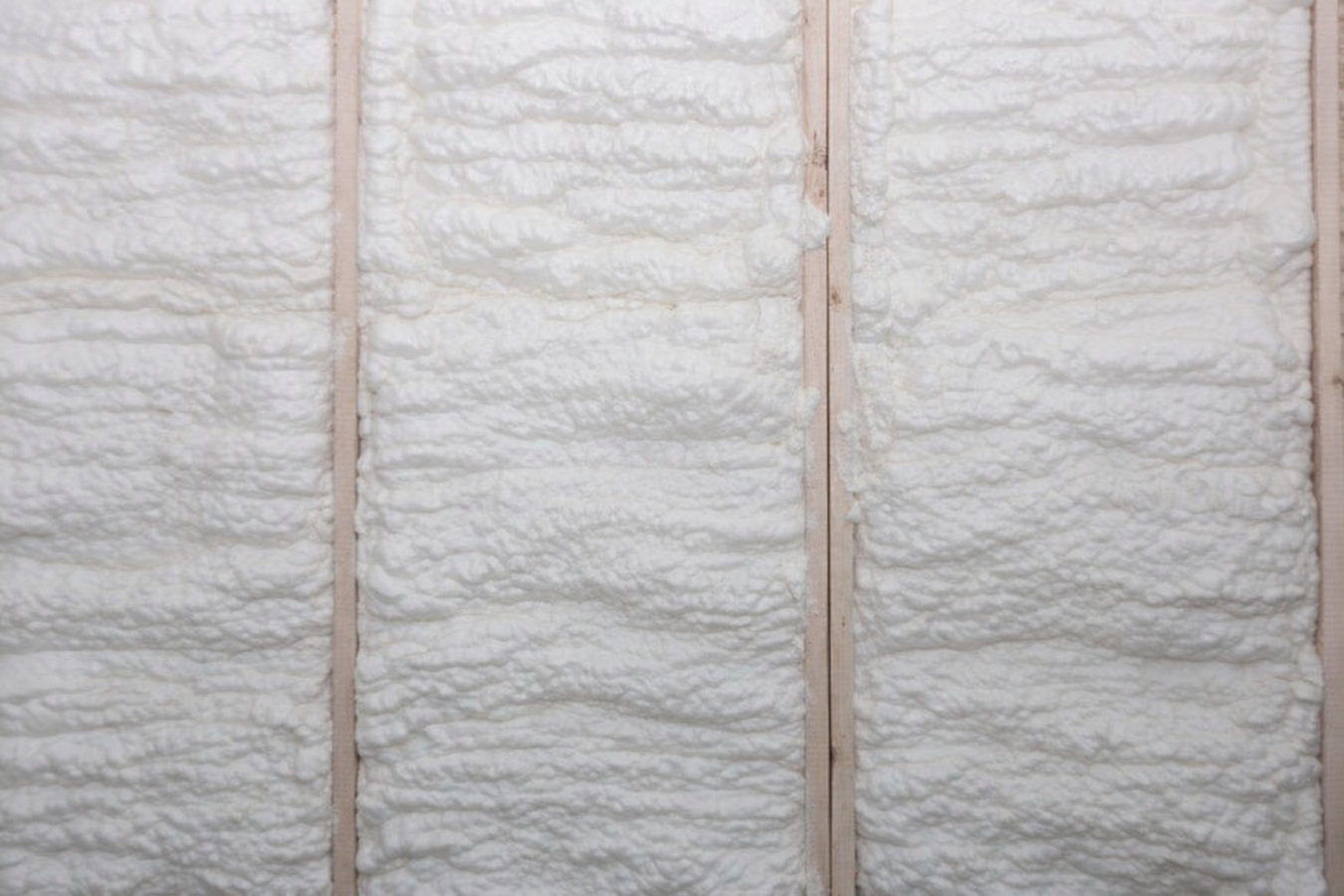
Open-cell foam fills attic spaces and wall cavities completely, stops air movement through every gap, and costs significantly less than closed-cell - a strong option for Rock Island homeowners who want high-performance insulation without the top-end price.
Open-cell foam insulation in Rock Island, IL is sprayed as a liquid that expands dramatically on contact - filling irregular cavities, sealing air leaks, and providing thermal insulation all in one pass. Most attic and wall cavity jobs are completed in one day.
The key difference between open-cell and other foam types is density. Open-cell foam expands up to 100 times its original volume and results in a soft, spongy material. That expansion is what makes it so effective at filling irregular spaces - it gets into every gap that fiberglass batts never reach. The open cell structure also absorbs sound, so walls insulated with open-cell foam are noticeably quieter. For Rock Island homes near busy streets or where HVAC noise travels through the building, this is a meaningful bonus.
Open-cell foam works best in above-grade spaces where moisture is not a primary concern. For below-grade applications - crawl spaces, basement walls, and rim joists - we typically recommend closed-cell foam insulation, which adds moisture resistance that open-cell does not provide.
When the attic above a room has little or no insulation, that room is directly exposed to outdoor temperatures - baking in summer and freezing in winter. Open-cell foam applied to the underside of the roof deck creates a conditioned attic that buffers those extremes, and the rooms below become noticeably more comfortable through all four seasons.
If your bills increase every year without a clear reason, your home is losing energy faster than it should. Rock Island winters are long and cold, and attic air leaks are one of the most common and highest-volume causes of heat loss in older homes. Open-cell foam seals those leaks and the thermal insulation it provides helps your HVAC system maintain temperature more efficiently.
Fiberglass batts and blown-in cellulose settle, compress, and degrade over time. A Rock Island attic that was properly insulated 20 years ago may have lost a meaningful share of its R-value by now. If your attic insulation looks thin, uneven, or matted down in places, spray foam is a durable replacement that will not need to be addressed again for decades.
Fiberglass does almost nothing for sound. Open-cell foam, because of its soft cell structure, absorbs sound waves rather than reflecting them. Homeowners who install open-cell foam in walls between units or in ceilings over noisy HVAC equipment consistently report a noticeable reduction in transmitted noise - not silence, but a real improvement.
We apply open-cell foam in attic spaces, wall cavities, and interior floors where air sealing and thermal performance are the priorities. Every job starts with a look at the existing insulation and a conversation about what is bothering you most - cold rooms, high bills, or noise - so we can confirm open-cell foam is the right choice and that the application will address your specific situation. The U.S. Department of Energy recommends pairing air sealing with insulation for maximum performance - open-cell foam does both at once.
For homes that need insulation in below-grade areas as well, we will walk you through the distinction between open- and closed-cell foam insulation and recommend the right material for each zone. You do not have to choose a single product for the whole house - the right answer often uses both types in different areas.
Spray foam to the underside of the roof deck converts the attic into conditioned space and eliminates the temperature extremes that drive heating and cooling costs.
Foam on the attic floor seals penetrations and provides a thermal barrier above the top-floor rooms, a good option when the attic is used for storage.
Open-cell foam fills wall cavities completely, including around pipes and wires where fiberglass batts leave gaps that become air leaks.
Between floors or over unconditioned spaces, open-cell foam reduces noise transmission and eliminates the temperature variation that makes some rooms uncomfortable.
Rock Island is a city with a large proportion of homes built before 1970. Attics in these homes were often insulated at levels that were considered acceptable at the time but fall well short of what is recommended today. Fiberglass batts that have been in place for 30 or 40 years may have settled significantly, been disturbed by contractors over the years, or simply reached the end of their useful life. Open-cell foam is a durable replacement that will not degrade over time the way fibrous materials do. The Rock Island climate - with its cold winters and hot, humid summers - creates conditions where a well-sealed attic makes a measurable difference in both comfort and operating cost, month after month and year after year.
Homeowners in neighboring communities like Moline and East Moline face the same older-housing-stock challenge. For all of them, the combination of air sealing and thermal insulation that open-cell foam delivers in a single step is one of the most cost-effective upgrades available. Ameren Illinois serves Rock Island and offers rebates for qualifying insulation projects, including spray foam applications that meet their minimum requirements.
Call or submit the form and we get back to you quickly. We ask a few questions about your home, the spaces you want insulated, and any specific problems you have noticed - cold rooms, high bills, or noise - so we arrive prepared.
We look at the spaces to be insulated, check what is currently in place, and assess whether open-cell foam is the right material for those areas. You receive a written estimate that breaks down the scope and cost before you commit to anything.
Before installation, clear stored items from the work area and plan to be out of the treated space for at least 24 hours. Your contractor will give you a specific re-entry time. Pets and plants should be out of the area during application.
The crew applies the foam, which expands and cures within hours. Most jobs are done in a single day. Before leaving, we walk through what was done, confirm your re-entry time, and answer any questions about what to expect next.
Free estimate, no obligation. We respond within 1 business day and provide a written quote before any work begins.
(309) 791-9490Open-cell foam installed at incorrect thickness or density does not perform as specified. Our installers have completed product training and follow current installation standards so the job delivers the R-value and air sealing it was designed to. Ask us about the training our crew has completed - a good contractor will answer that question directly.
Some contractors push closed-cell foam everywhere because it costs more. Open-cell foam is the right choice for above-grade spaces in most Rock Island homes, and we recommend it where it belongs rather than defaulting to the higher-margin option. You will get a clear explanation of which material fits which space and why.
Ameren Illinois offers rebates for qualifying insulation upgrades, and many Rock Island homeowners are eligible but never collect. We walk you through what qualifies, what documentation you need, and whether a federal tax credit also applies to your project - at no additional charge as part of the estimate process.
We follow EPA guidelines for safe re-entry after spray foam installation. Before work begins, you receive your specific re-entry time in writing. There is no vague answer of 'a few hours' - you get a defined time so you can plan your day.
Open-cell foam is durable - once it is in, it will not settle, compress, or need to be replaced. The goal is to get the installation right the first time so it performs for the life of the home.
When moisture resistance matters - crawl spaces, rim joists, and basement walls - closed-cell foam is the stronger choice for Rock Island homes near the river.
Learn MoreOpen-cell foam pairs well with a full attic insulation strategy - learn about attic coverage options for your Rock Island home.
Learn MoreEvery season with degraded or missing attic insulation costs you money. Call today or submit a request and we will respond within 1 business day.