
Loading...
Serving Rock Island, IL and surrounding areas. (309) 791-9490
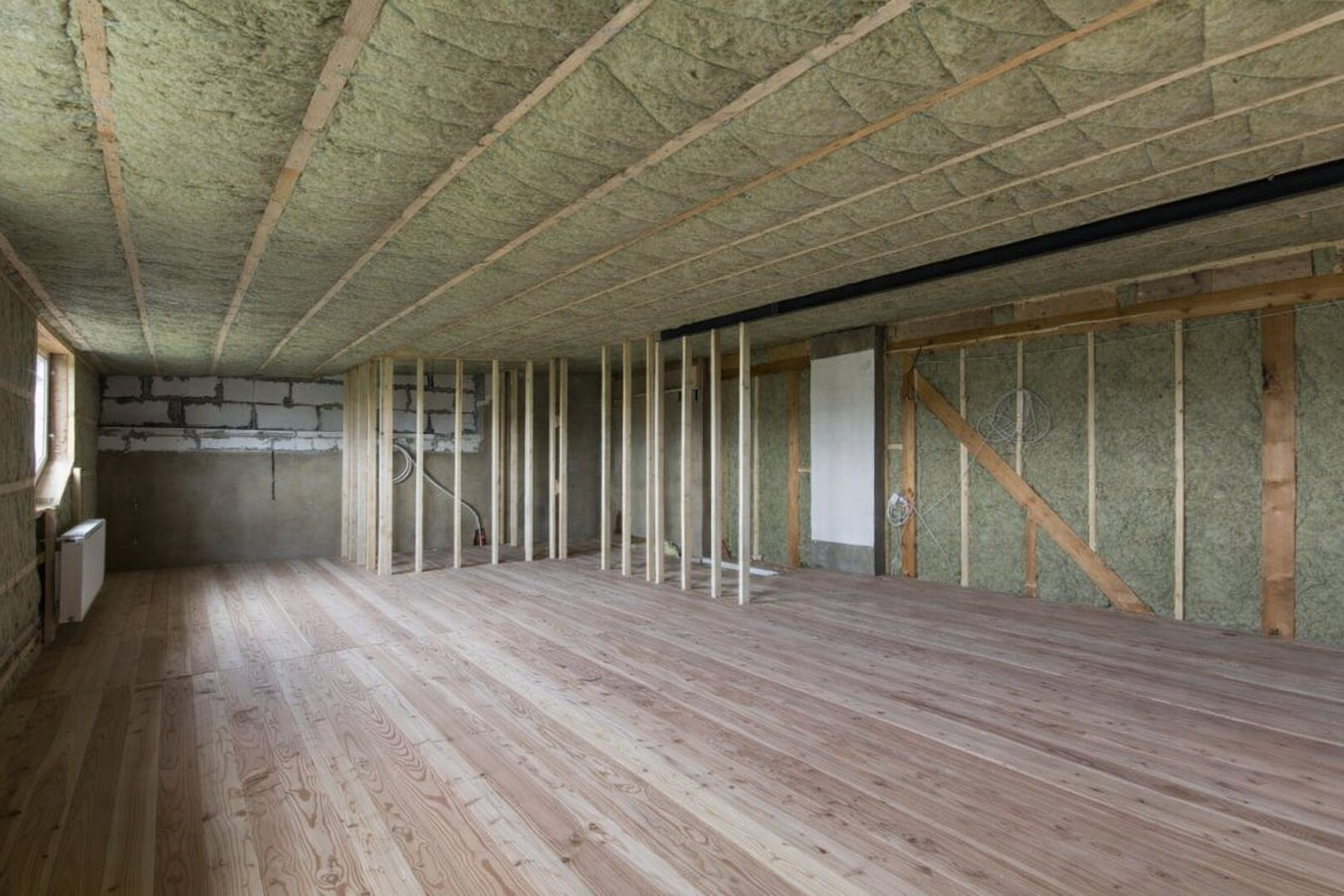
Rock Island Insulation is an insulation contractor serving Coal Valley, IL with basement insulation, attic insulation, blown-in insulation, and air sealing. We have served Rock Island County since 2017 and respond to all Coal Valley requests within 1 business day.
Rock Island Insulation is an insulation contractor serving Coal Valley, IL with basement insulation, attic insulation, blown-in insulation, and air sealing. We have served Rock Island County since 2017 and respond to all Coal Valley requests within 1 business day.
Coal Valley ranch homes and split-levels almost all have full basements, and uninsulated basement walls and rim joists are the primary reason these homes run cold on the first floor during Illinois winters. The clay-heavy soil in this part of Rock Island County holds moisture against foundation walls, so material choice matters as much as installation quality. Learn more about our basement insulation services and what the process looks like from assessment through completion.
Ranch homes in Coal Valley have low attic profiles, which means the attic floor is close to the living space and heat loss through a thin or settled attic affects every room in the house. Most Coal Valley attics from the 1950s through 1970s have original insulation that has compressed well below the minimum depth for this climate. Adding blown-in material to the correct R-value is the most cost-effective improvement these homes can get.
Blown-in insulation is the right tool for Coal Valley attics because it fills the full floor area evenly - around wiring, blocking, and any irregular framing - without leaving gaps or requiring existing materials to be torn out. It is also the standard method for adding insulation to older wall cavities without opening up finished drywall. Most blown-in attic jobs on a Coal Valley ranch are complete within a few hours.
Coal Valley homes from the postwar decades have air leaks at the attic top plates, around chimney penetrations, and at every plumbing and electrical penetration into the attic. Adding blown-in insulation over those unsealed gaps delivers only a fraction of the benefit it should - air sealing first is what makes the insulation perform. We air-seal before any insulation goes in, because that order of operations is what actually cuts heating costs.
Some Coal Valley properties have partial crawl spaces under additions or split-level lower floors, and these spaces are consistently among the coldest and dampest areas of a mid-century home. An uninsulated crawl space in this climate lets cold air pool under the floor system all winter. Insulating the floor joists with batts or closed-cell foam and installing a vapor barrier on the ground solves the cold floor and the moisture problem at the same time.
The clay soil under Coal Valley yards holds water and releases it slowly, which means ground moisture works its way into unprotected crawl spaces and basement floors throughout the year - not just in wet seasons. A vapor barrier cuts off that moisture source at the ground level, protecting floor insulation and wood framing from the kind of long-term dampness that leads to rot and degraded insulation performance.
Coal Valley is a low-density residential village of about 3,800 people just southeast of Moline in Rock Island County. Almost all of its housing stock consists of ranch homes and split-level houses built between the 1950s and 1980s - the dominant residential style for Midwest suburban growth in that era. Homes from this period were built with modest insulation standards: thin fiberglass batts in the attic, uninsulated basement walls, and no treatment of rim joists or wall cavities. Average January lows in the Quad Cities sit in the mid-teens, with cold snaps that push temperatures well below zero. A Coal Valley ranch home with original 1960s insulation can lose a significant share of its heat through the basement and attic before the furnace can replace it - that shows up on the energy bill every month from October through April.
The soil beneath Coal Valley yards is clay-heavy, which expands when wet and shrinks when dry. That movement puts constant pressure on basement walls and foundation slabs, creating the small cracks and gaps that let both cold air and ground moisture into the structure. According to the USDA Web Soil Survey, much of Rock Island County is mapped as clay-dominant soil with poor drainage characteristics. Spring snowmelt and the repeated freeze-thaw cycles from January through March are the two biggest seasonal forces working against Coal Valley home foundations and insulation each year.
Our crew works throughout Coal Valley regularly, and we understand the local conditions that affect insulation work here. The village is almost entirely single-family homes - ranch houses and split-levels on moderate lots, most of them built between 1955 and 1980. The most common findings on a Coal Valley job are compressed attic insulation that no longer meets the minimum R-value for this climate zone, uninsulated rim joists at the foundation, and basements with bare concrete walls that pull heat out of the living space above all winter. Permit requirements for insulation work in Coal Valley run through Rock Island County, and we handle that process for every job that needs one.
Coal Valley sits just southeast of Moline, with easy access from the Quad Cities via IL-150 and nearby county roads. Many Coal Valley residents commute into Moline or Rock Island - a lot of them to facilities connected to John Deere, which is headquartered just a few miles away in Moline. We schedule our visits around work schedules and do not require homeowners to be present for the entire job. We also serve homeowners in nearby Milan, which has a similar mix of mid-century single-family homes and comparable insulation needs.
One of the things that sets Coal Valley homes apart from properties closer to the river is the soil. The clay-heavy ground here does not drain the way sandy soil does - it holds water, and that water pressure works against basement walls and foundation edges over time. On older Coal Valley homes, we routinely find small foundation cracks and gaps at the rim joist that have opened up from years of soil movement. Sealing those before adding insulation is what makes the difference between a job that performs and one that disappoints.
Call (309) 791-9490 or use the contact form. We respond to all Coal Valley requests within 1 business day and schedule around your availability - early mornings and daytime slots are both available.
We walk the attic, basement, and any crawl space areas and show you exactly what we find - current insulation depth, air leak locations, and moisture indicators. You get a written estimate with the full cost and scope before we leave, so you know what to expect and can compare options without pressure.
We air-seal first - closing gaps at the rim joists, top plates, and all penetrations - then install insulation to the correct depth or thickness. Most Coal Valley jobs are completed in one day. You can stay in the house throughout the process.
We walk through the completed work with you, show you what was installed, and answer any questions before we leave. The site is cleaned before we go. If anything comes up after the job, call us and we come back.
We serve Coal Valley, IL and all of Rock Island County. Free estimates, written quote before work starts, and responses within 1 business day.
(309) 791-9490Coal Valley is a quiet residential village of about 3,800 people in Rock Island County, sitting just southeast of Moline and west of the wider Quad Cities metro. The village has no commercial downtown - it is almost entirely a neighborhood of single-family homes on moderate suburban lots, with ranch houses and split-levels built from the 1950s through the 1980s making up the majority of the housing stock. Niabi Zoo, one of the most visited attractions in Rock Island County, is located right in Coal Valley and draws visitors from across the Quad Cities area. Most households in the village are owner-occupied, and longtime residents are common - this is a community where people buy a home and stay for decades. You can read more on the Coal Valley Wikipedia page.
Coal Valley is served by the Hampton School District, and families with school-age children make up a large share of its households - which reflects the community's character as a place where people are settled and invested in their homes for the long term. The village sits close to IL-150 and is an easy drive from Moline and Rock Island, with John Deere's operations and the broader Quad Cities employment base accessible in under 15 minutes. We regularly serve homeowners in Coal Valley and in nearby Colona, where the housing stock and insulation needs are similar.
Seals air gaps and delivers superior energy efficiency for your home.
Learn MoreHigh-density foam that insulates, strengthens, and blocks moisture.
Learn MoreFlexible, sound-dampening foam ideal for interior walls and attics.
Learn MoreProfessional insulation for offices, warehouses, and commercial buildings.
Learn MoreBlocks ground moisture to protect your crawl space and structure.
Learn MoreControls moisture migration to prevent mold and structural damage.
Learn MoreWe serve Coal Valley and all of Rock Island County. Call us or submit a request online and we will respond within 1 business day - before another Illinois winter drives your heating costs up again.