Loading...
Serving Rock Island, IL and surrounding areas. (309) 791-9490
Rock Island Insulation is an insulation contractor serving Port Byron, IL with retrofit insulation, attic insulation, spray foam, and basement insulation. We have served Rock Island County since 2017 and respond to all Port Byron requests within 1 business day.
Rock Island Insulation is an insulation contractor serving Port Byron, IL with retrofit insulation, attic insulation, spray foam, and basement insulation. We have served Rock Island County since 2017 and respond to all Port Byron requests within 1 business day.
Most homes in Port Byron were built between the 1880s and 1960s - well before modern insulation standards - and retrofit methods allow us to add insulation to attics, walls, and crawl spaces without tearing into finished surfaces. Blown-in material is injected through small holes in walls and patched cleanly, and attic floor insulation is installed through the existing hatch. The result is a meaningfully warmer home without the disruption of a renovation. See how our retrofit insulation service works and what a typical project looks like from assessment to completion.
Port Byron homes that predate the 1970s often have attics with original insulation - if any at all - that have degraded to a fraction of the depth required for this climate. The attic is where the majority of heat escapes in a cold Illinois winter, and upgrading it delivers the fastest and most noticeable improvement in comfort of any single insulation project. Most Port Byron attics can be brought to current R-value standards in a single day.
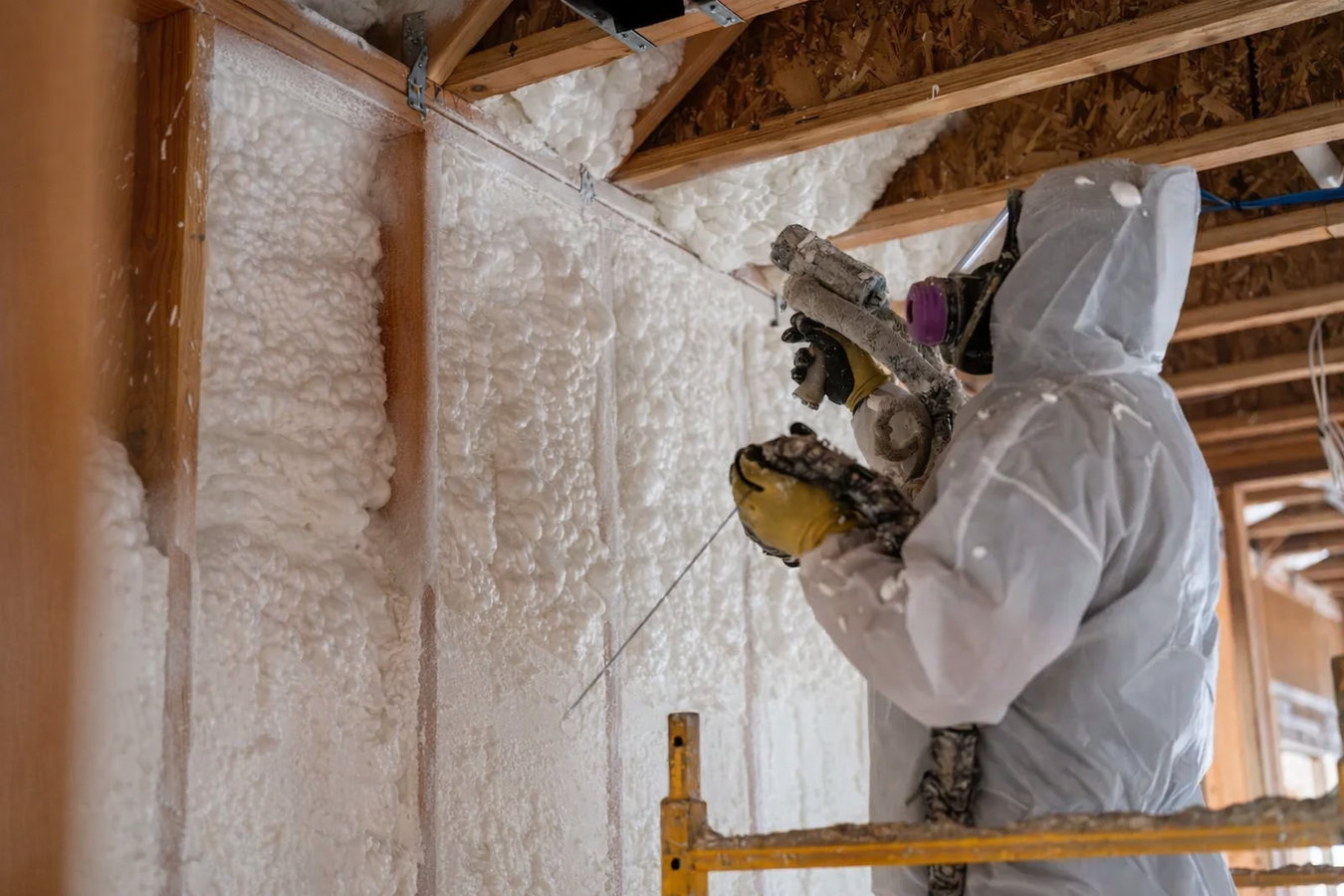
For Port Byron homes near the Mississippi River, spray foam is the right choice for rim joists, basement walls, and any area where moisture exposure is a concern - it seals, insulates, and acts as a vapor barrier in a single application. Older wood-frame homes in this village also benefit from spray foam in small gaps and penetrations that blown-in material cannot fully seal on its own.
Port Byron sits on the west bank of the Mississippi River, and that means basement moisture is a real concern - not just in flood years, but in any wet spring when groundwater levels run high. Insulating basement walls and rim joists with closed-cell foam addresses both the heat loss and the moisture vulnerability at the same time, which matters more here than in communities with less river exposure.
In older Port Byron homes with original wood framing, air leaks accumulate at every penetration, joint, and gap in the structure - and in a home with a century of settling, there are a lot of them. Air sealing before insulation is the difference between a finished job that performs and one that looks right but still lets heat out. We seal the attic floor, rim joists, and any accessible wall penetrations before insulation goes in on every project.
Some older homes in Port Byron have partial crawl spaces under additions or portions of the original structure, and these spaces are almost always uninsulated and prone to moisture. An uninsulated crawl space in a Mississippi River town lets cold air pool under the floor all winter and gives ground moisture a direct path into the wood framing above. Insulating the floor joists and installing a vapor barrier on the crawl space ground addresses both problems in one visit.
Port Byron is a small village of about 1,600 residents on the west bank of the Mississippi River in Rock Island County, and it has one of the oldest housing stocks of any community in our service area. The village was platted in the 1830s, and a large share of its homes were built before 1970 - with many dating back to the early 1900s or even the late 1800s. Homes this old were built with wood framing, minimal wall insulation, and no understanding of the air sealing practices that make modern homes energy-efficient. Add 100-plus years of settling, freeze-thaw cycles, and seasonal river flooding, and you get structures with significant heat loss through every surface. January lows in this part of Illinois drop into the single digits, and a Port Byron home with no attic insulation upgrade since it was built can lose heat faster than the furnace can replace it.
The Mississippi River runs directly alongside Port Byron, which creates moisture challenges that inland communities do not face. Spring snowmelt and heavy April rains push river levels high most years, and the National Weather Service Quad Cities office issues flood watches for this stretch of the river regularly. Even homes that do not flood directly deal with elevated groundwater during wet springs, which drives basement seepage and crawl space dampness. Insulation material selection matters here - moisture-absorbing materials fail faster in this environment, and closed-cell foam is consistently the better choice for below-grade and near-grade applications in Port Byron.
Our crew works throughout Port Byron regularly, and we understand the local conditions that affect insulation work here. The village is almost entirely single-family homes on their own lots - older wood-frame construction, many with original siding covered by a layer of aluminum or vinyl added in the 1970s or 1980s. The most consistent finding on a Port Byron job is an attic with either no insulation or deeply settled original material at 2 to 3 inches - far below the minimum for this climate zone. Rim joists in homes this age are typically uninsulated and unsealed, and basement walls in riverfront properties often show evidence of seasonal moisture intrusion.
Port Byron sits along IL-84 on the eastern bank of the Mississippi River, with Hampton just to the south and Carbon Cliff further down the Rock Island County shoreline. The village has its own municipal government through the Village of Port Byron, and building inquiries are handled locally. Most standard insulation work in Port Byron does not require a permit - we verify this for every project before scheduling.
We also regularly serve Hampton just south of Port Byron, and Colona further east in Henry County. All three communities share the same river-corridor moisture challenges and the same older housing stock, and our experience across all of them informs the material recommendations we make for Port Byron homes specifically.
Reach us at (309) 791-9490 or through our contact form. We respond to all Port Byron requests within 1 business day and schedule the on-site estimate at a time that works for you - no pressure to book on the first call.
We walk the attic, basement, crawl space, and any other areas you are concerned about. You leave the visit with a written estimate - what will be done, what materials will be used, and the total cost. We also flag any moisture or air leakage issues that would reduce the insulation's effectiveness so you know exactly what you are getting into.
In older Port Byron homes, we seal all attic penetrations and rim joist gaps before any insulation goes in - that sequence is what makes the job actually perform. Most projects take one to two days. You do not need to be home during the work, and the house is accessible again the same day for single-day jobs.
We walk you through the finished work and leave documentation of the materials and R-values installed. This is useful for any federal tax credit applications and for future home sale disclosures - particularly relevant in a close-knit owner-occupied community like Port Byron where homes tend to stay in families for decades.
We serve Port Byron, IL and the surrounding Rock Island County area. Call or submit a request and we will be back to you within 1 business day - no obligation, no pressure.
(309) 791-9490Port Byron is a small village of about 1,600 people on the western bank of the Mississippi River in Rock Island County, platted in the 1830s and one of the older established communities in the Quad Cities region. The village is almost entirely single-family residential, with homes ranging from early 1900s wood-frame construction on the older riverfront blocks to mid-century houses on the streets further up the hillside. Port Byron Riverfront Park sits along the water and is a well-known gathering spot for residents throughout the year. The annual Port Byron Pork Festival draws visitors from across the county and is one of the community's defining traditions.
The homeownership rate in Port Byron is high relative to the broader metro, and many residents have lived in their homes for decades - which means maintenance needs tend to accumulate rather than being caught early. Property values here are modest, and most homeowners are looking for practical, durable improvements rather than premium upgrades. Our nearby service areas of Carbon Cliff and Hampton share the same river-corridor character - older homes, similar moisture conditions, and long-term owner-occupied communities where doing the job right the first time is what matters.
Seals air gaps and delivers superior energy efficiency for your home.
Learn MoreHigh-density foam that insulates, strengthens, and blocks moisture.
Learn MoreFlexible, sound-dampening foam ideal for interior walls and attics.
Learn MoreProfessional insulation for offices, warehouses, and commercial buildings.
Learn MoreBlocks ground moisture to protect your crawl space and structure.
Learn MoreControls moisture migration to prevent mold and structural damage.
Learn MoreOlder homes along the Mississippi need the right insulation and the right materials. Contact us and we will walk your home, assess what you need, and give you a written estimate before any work is scheduled.